Increase The Population Of Wild Birds In Your Backyard…

Increase The Population Of Wild Birds In Your Yard… Plant The Right Flowers, Shrubs and Trees!

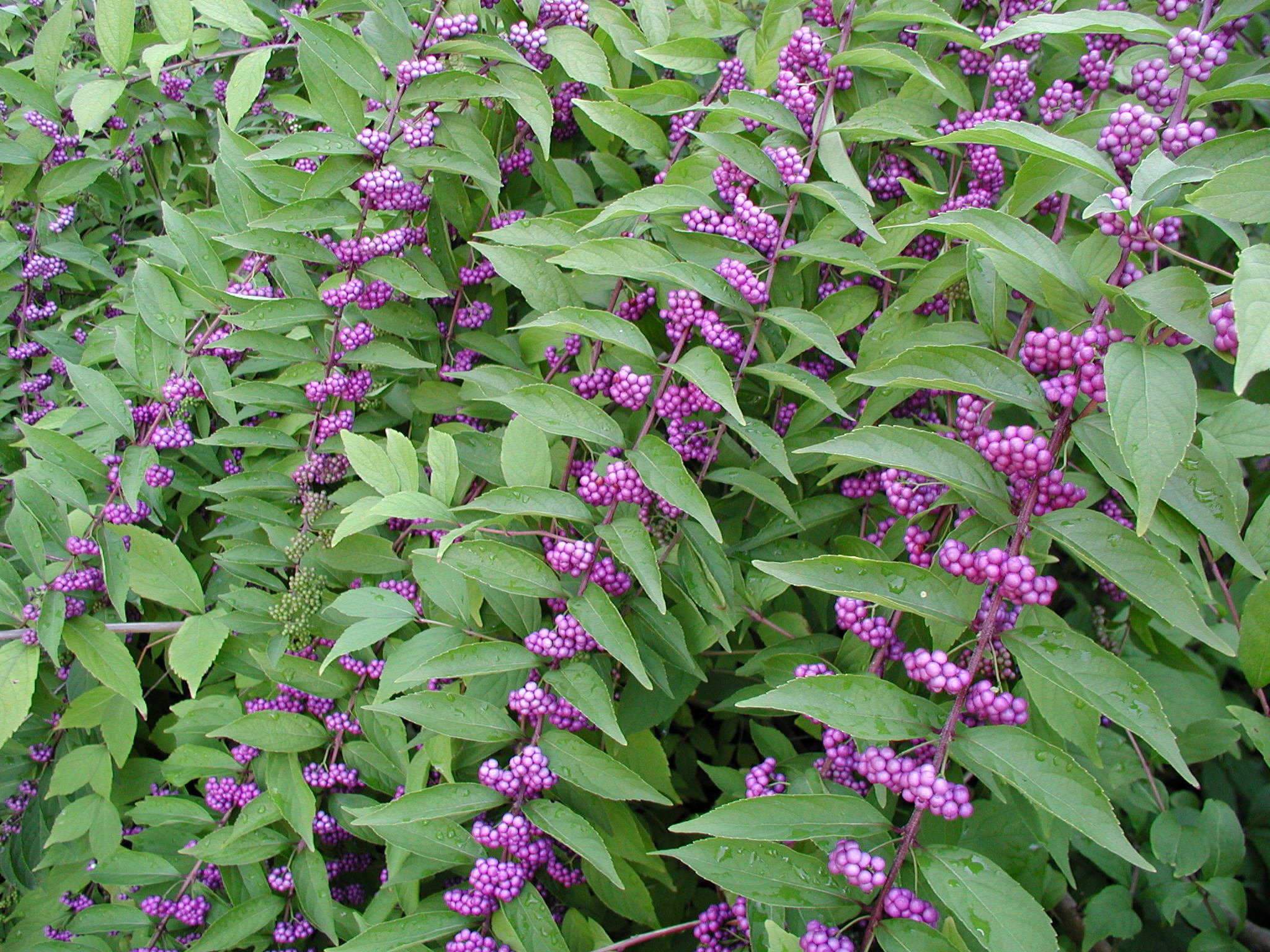
Callicarpa Beautyberry. This is an awesome plant that many birds love. It is a deciduous shrub that grows about 6 feet high and wide. What makes it really nice is that it turns all yellow in the fall when it has the purple berries on its stems. As the leaves drop, the plant is left bare with just the berries for the birds to feed on into the winter.
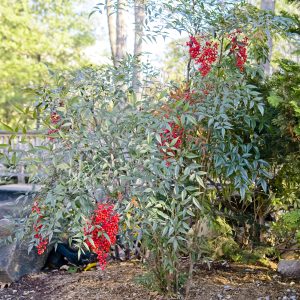
Nandina Heavenly Bamboo. A great plant with four seasons of interest. Bright new foliage in the spring, Flowers in the summer, awesome fall color and berries that hold on into the winter.
     Why would a bird want to live in your backyard?  What type of habitat are we providing for them?  We need to not only attract them, but encourage them to stay.  They need food, water and protection from predators.   If we can provide all this, as well as possibly some nesting boxes (bird Houses), they should feel comfortable in your yard. 
     There are many different types of birds, and all require different environments.  We can’t always provide every possible habitat, but we can sure try.  Something important to understand is that in order to attract a diversity of birds, we need to have a variety of plants that will grow at different levels (low growing plants to tall trees and everything in between).   Something for everyone!
     We are going to explore a number of plants that are beneficial to have.  Keep in mind that native plants to your area are always great.  This is because the birds naturally live in these same areas where the native plants are growing.  There is a reason why the birds choose to live in that area.  The native plants must be providing things that they like or need, such as food or cover.  So, if they like those plants where they naturally live, they will like them in your backyard!  
     Try to observe what birds are living around your house right now.  Do a little research.  The more work that you put in, the more you’ll get out of your efforts.  Learn about them, their name, what they eat, how they nest, what habitats do they prefer?  The more that you learn, the better you can provide for them.  Do they spend more time near the ground or do they stay high up in the tree canopy?  What are we providing for them?
     After we know about what we already have, we can try to learn about other birds that we may want to attract.  We need to provide a habitat appropriate for them too.  Many times it can be just a matter of food that we can offer.  Having their favorite treats goes a long way.  But like I said earlier, they also need to feel safe, comfortable and have a good water supply.  The plants in your landscape provide the habitat, where they will live.  It must be a happy place for them. 
     Although we enjoy seeing a beautiful manicured lawn and neatly trimmed bushes, that does little for the birds.  They would much rather have some taller grasses and areas of dirt and leaves to forage in.  Bushes and trees with long sweeping branches as well as flowers and seed pods that don’t get pruned off at the end of a growing season.  These dried flowers and seed pods are what the birds need to eat during the winter.  Always try to build plantings from the ground up.  Have some low growing plants and flowers next to medium sized shrubs and evergreens and then some large tall trees and evergreens.   A little of everything goes a long way.  Whether your yard is big or small, do as much as you can to keep the birds happy.    
     Birds enjoy moving from tree to tree, or bush to bush.  The less space that is between them the better.  It is beneficial to plant in masses or groupings.  Large open areas between plants is not what birds like.  Allow them to move around your yard through “plant highways”.  (Hedge rows, flower beds, short and tall shrubs around larger trees).   Allow them to move from one grouping of plants to another freely without large distances between them.  
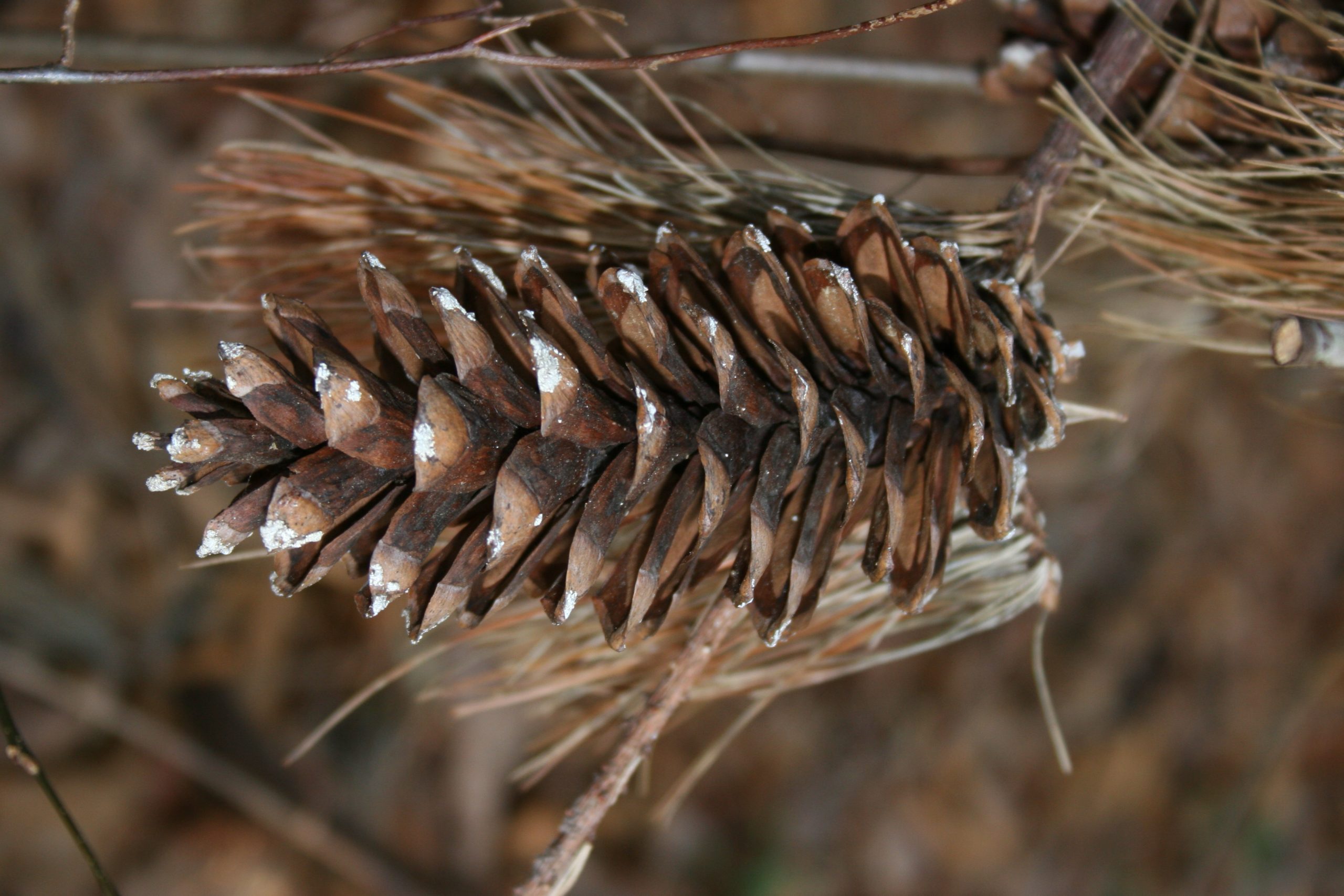
     Combinations of evergreens and woody plants both large and smaller are always great.  Evergreens are perfect for protection from predators as well as cover in bad weather.  Many larger evergreens such as Spruce, pine, hemlock and fir also provide cones that are filled with seeds.  Eastern red cedar is also a favorite for birds, as they produce lots of berries.  Just be aware that apple trees should not be planted anywhere near cedars, as they spread cedar apple rust, which damages your apple trees. 
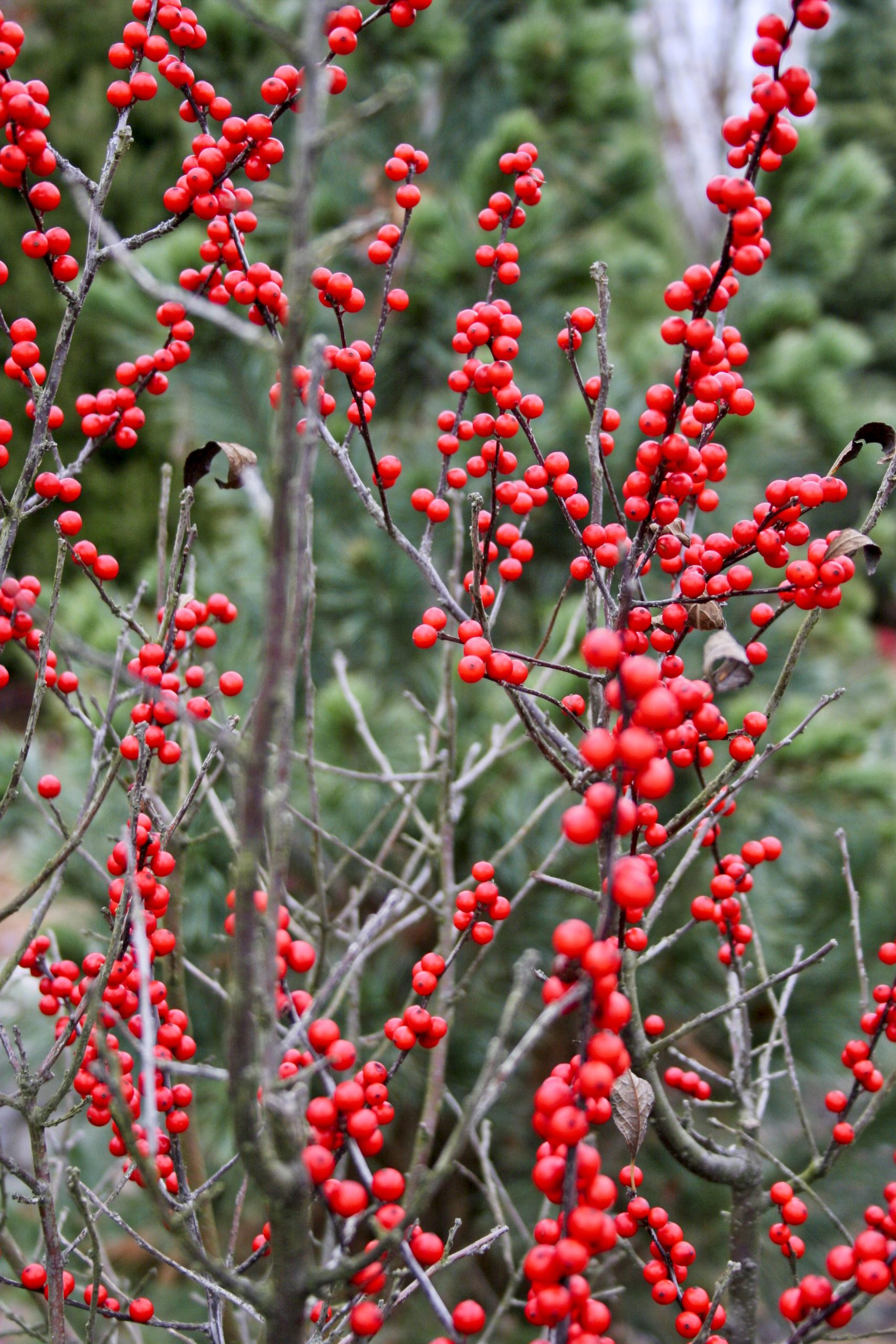
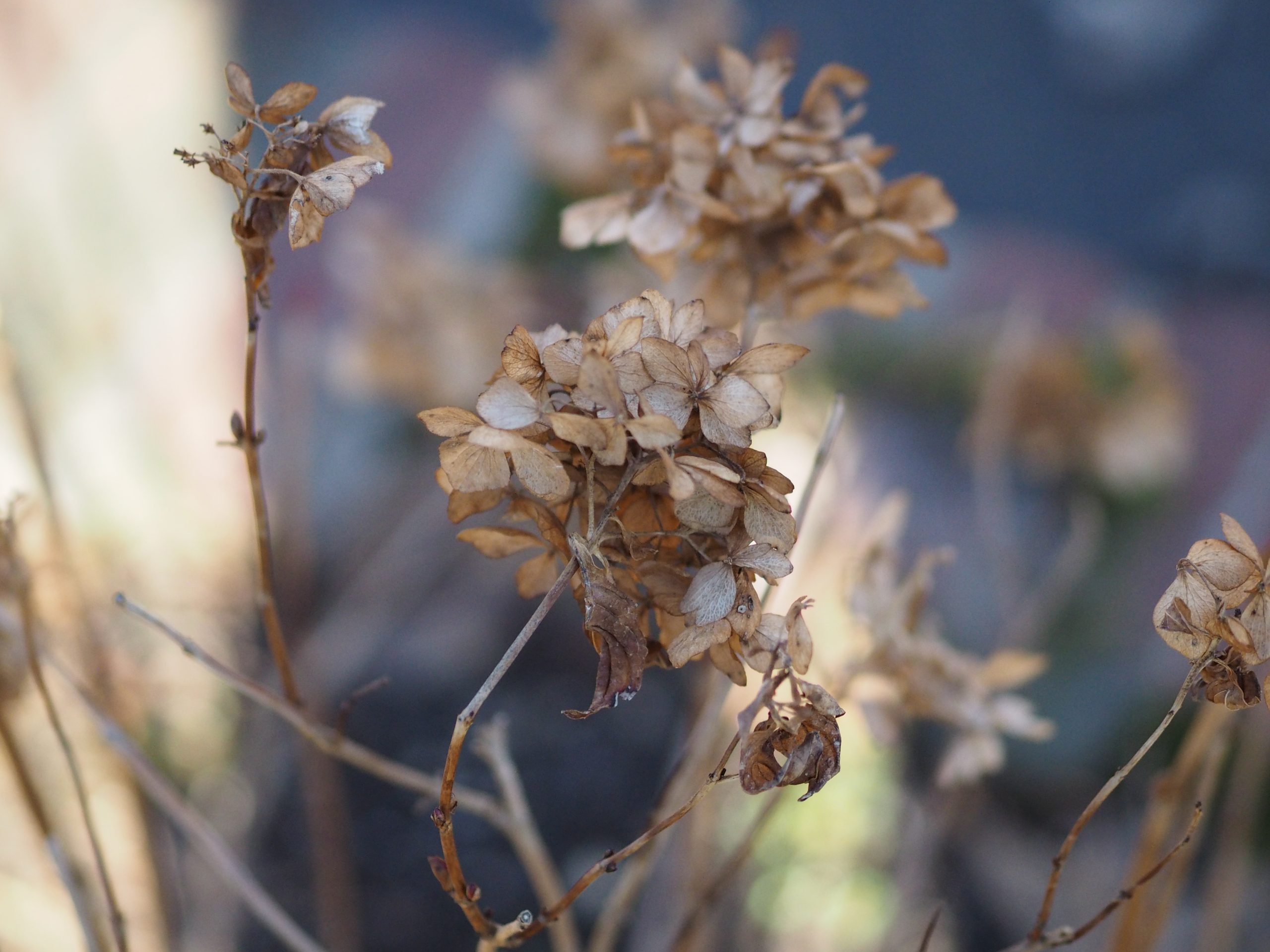
     Deciduous woody plants are available in an extremely wide variety.  However, the favorite types for birds are the plants that provide seeds or berries… Food!  Some suggestions are:  Beautyberry, winterberry, viburnums, chokeberry, firethorn, serviceberry, and elderberry.  Other plants to consider are:  Hydrangea,  azaleas, rhododendron, mountain laurel, Hollies, inkberry, barberry, and sand cherry.  Just to name a few.  
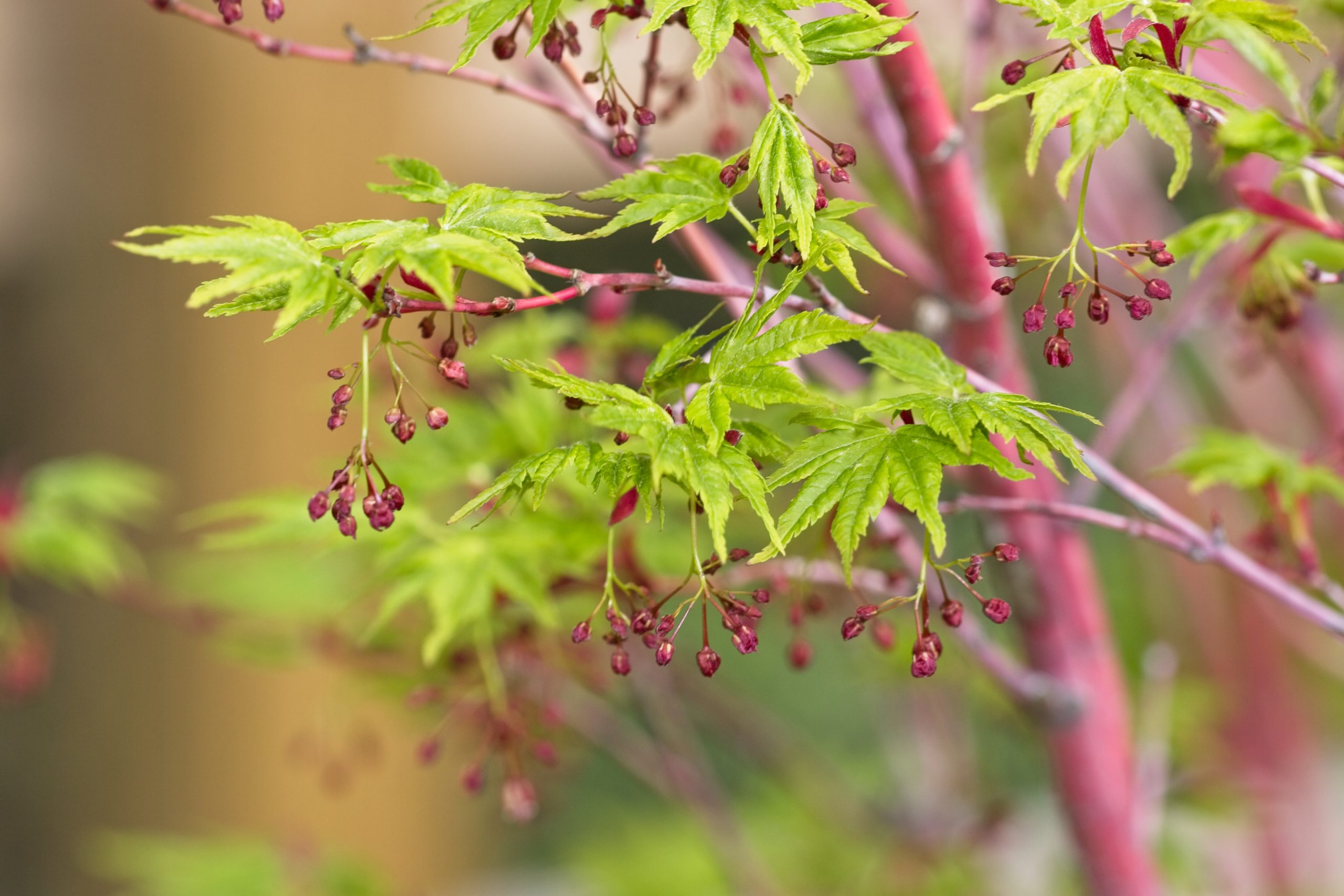
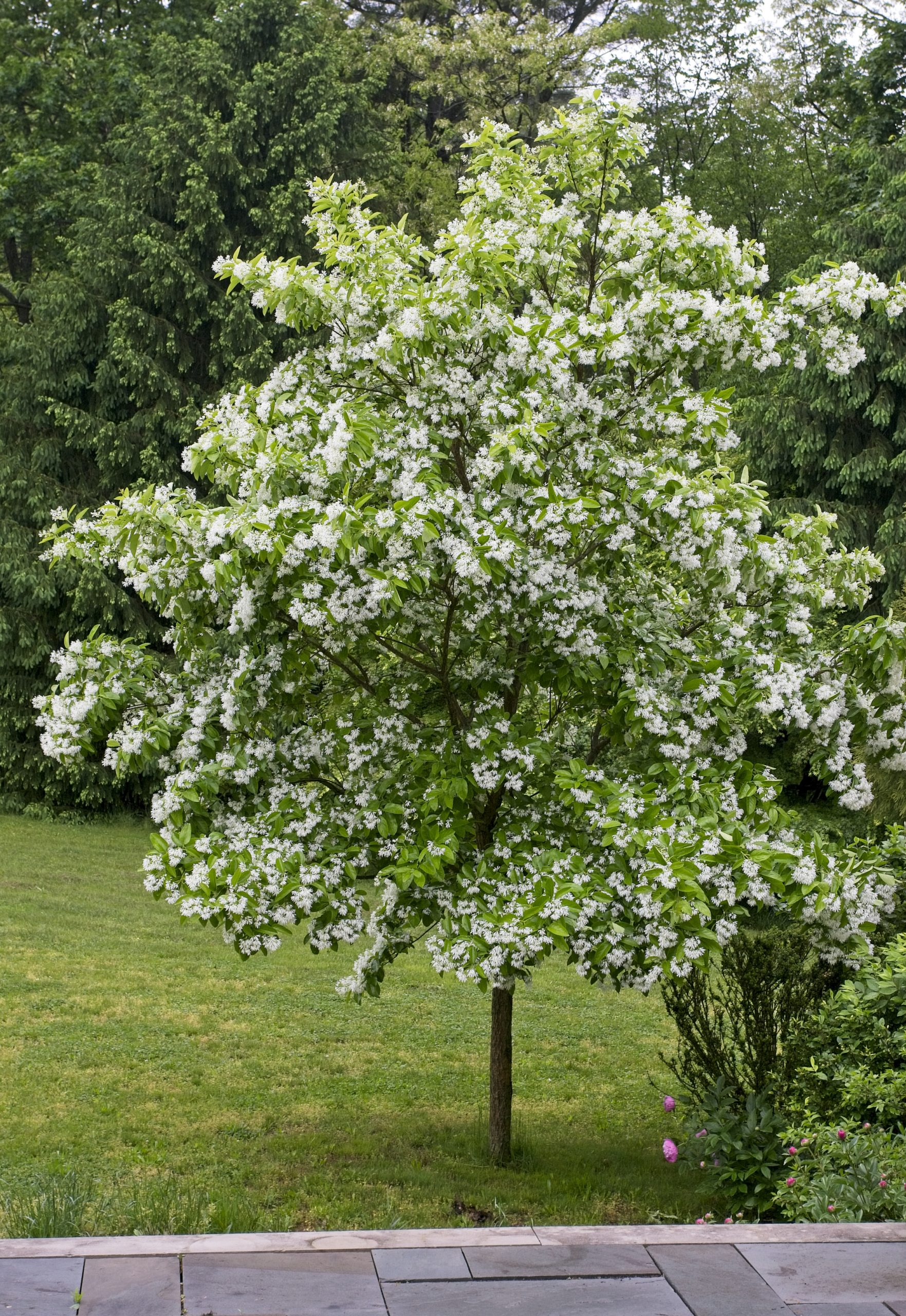
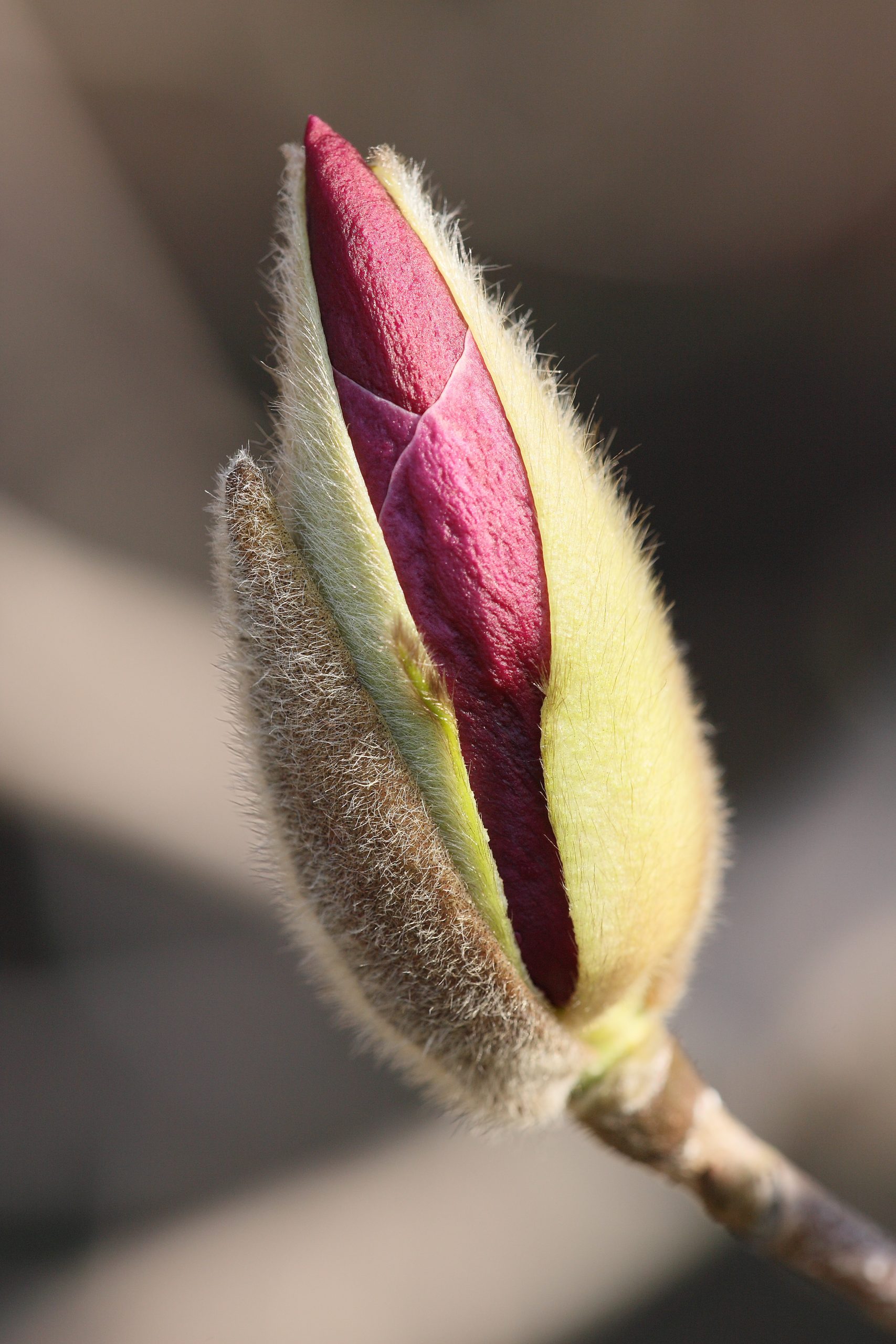
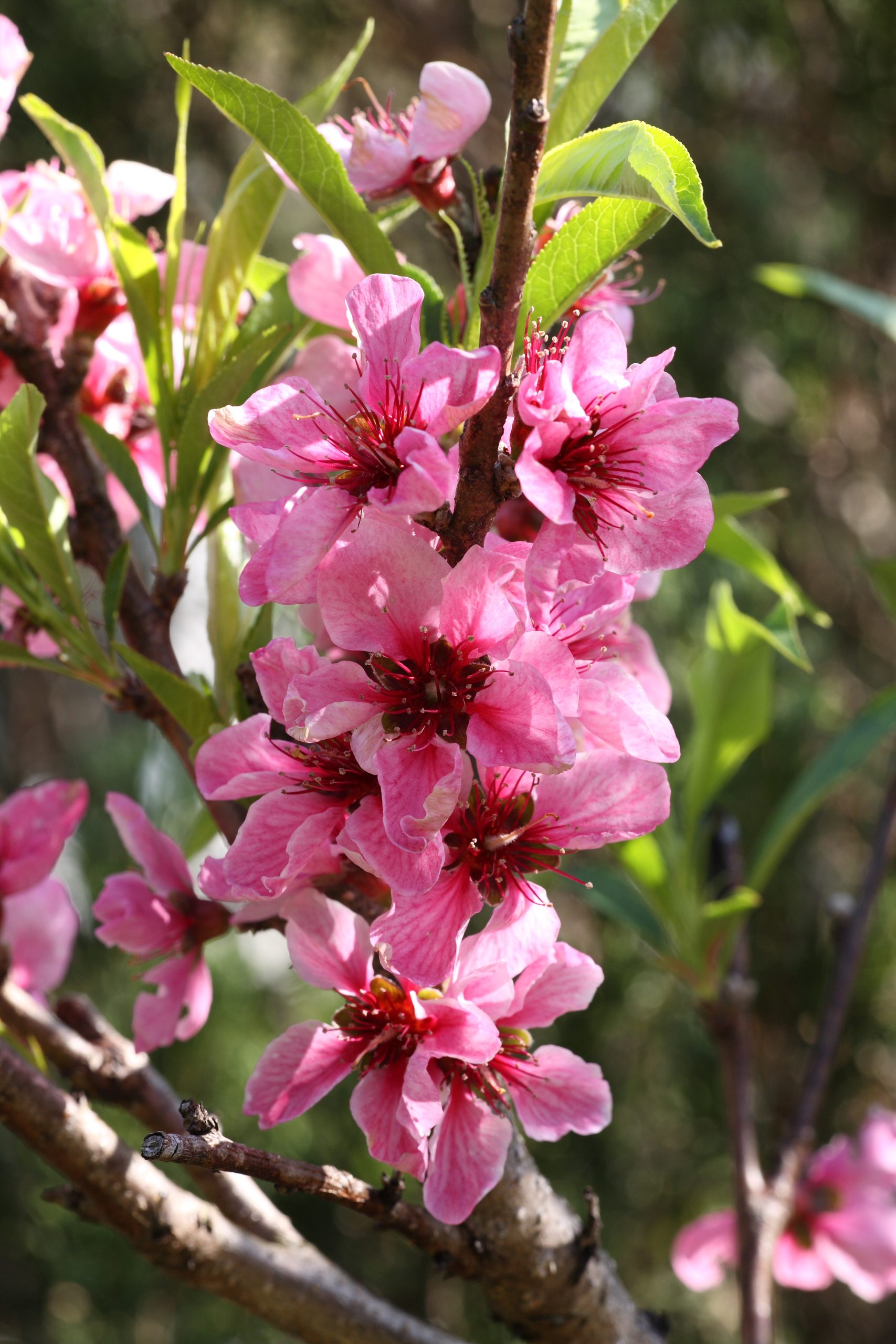
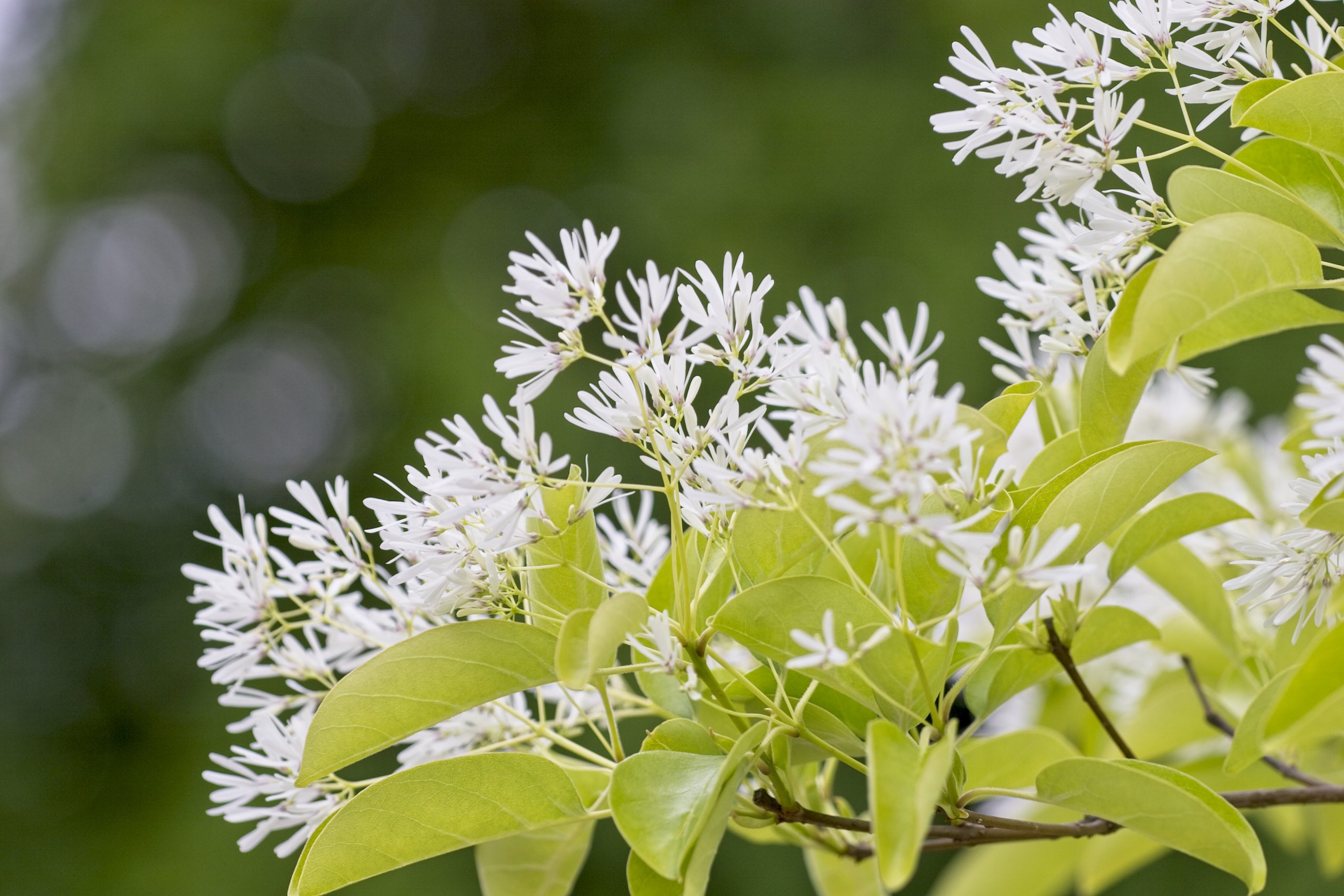
     Trees such as crab apples, dogwoods, hawthorn, mountain ash, fringe trees, magnolias, holly, plums, cherries  and redbuds are always good “medium” sized trees.  Larger trees that are great are: maples, birch, poplar, oak and willows.  
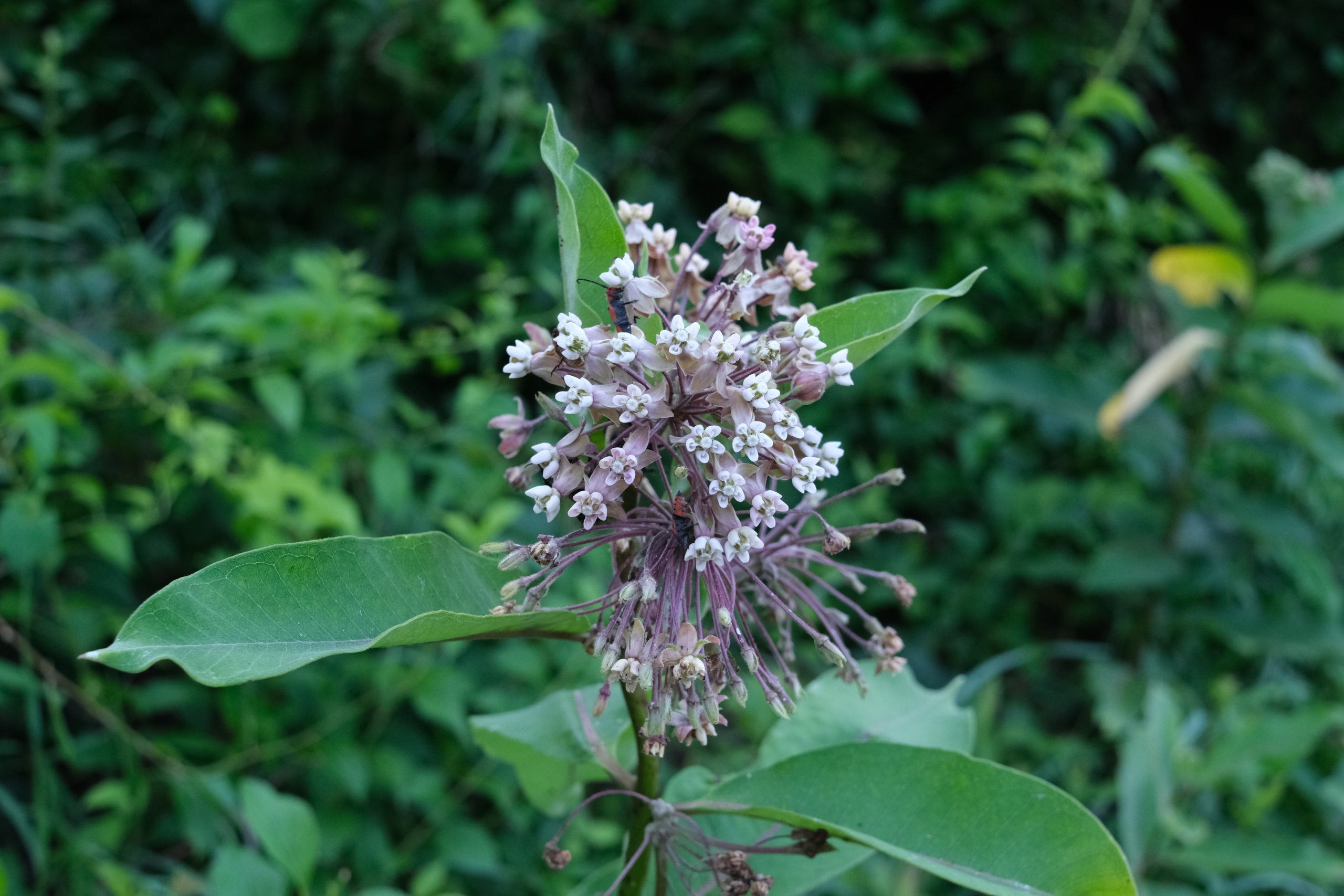
     Next, is a few flowers that provide seeds that will feed the birds will love.  They are: Black eyed susan, bee balm, coreopsis, sedum, blanket flower, coneflower, goldenrod, aster, switchgrass, sunflowers, thistle, zinnias, and milkweed.
     These are just a few good starting points and suggestions.  These plants provide something for everyone, and are very attractive in your backyard.