Build It…… And The Birds Will Come!
Build An Environment In Your Yard To Not Only Feed The Birds, But Create A Place They Will Live, Nest And Feel Safe
The natural habitat for birds as well as all wildlife is shrinking. Populations of birds and their migratory ranges are changing. Many of us try to attract certain types of birds to our feeders, but they don’t show up, or if they do, they don’t stay around for long. That is usually because there is nothing there to make them want to stay. Let’s explore what we can do to make different varieties of birds feel at home.
One of the first things that we need to understand is that different bird species live in different environments. Some birds like open fields, some stay deep in the forest. It would be difficult to see a bird that feeds on insects in open grasslands to come and feed on seed at a bird feeder under trees. My point is that we need to understand what kind of birds that we want to attract, and provide a habitat conducive to them. So having different types of feeders in different areas of our yard may help bring in some birds that you don’t typically see.
We can look at the overall habitat, but we must also consider the different levels in that environment in which different bird species live. By levels, I mean vertical environments. For example, some birds spend most of their time feeding on the ground, while other spend all of their time at the top of the tree canopy. The different levels that we are going to explore are: 1. The Ground. 2. Low bushes / brush / thickets. 3. Mid-level trees. 4. Upper tree canopy. 5. Above the trees.
Many birds do thrive at different levels, but where are they most comfortable? Where do they nest? Where do they Feed? Another important source to provide is water. Not only for drinking, but for baths as well. Baths are important for the birds to keep their feathers clean and fluffy. This is also important for the winter months, as fluffy feathers are warm feathers. Whether it’s a garden pond or even just a birdbath, water is very important. The sound of running water is a huge attraction for us as well as the birds. Always keep the birdbaths clean and full.
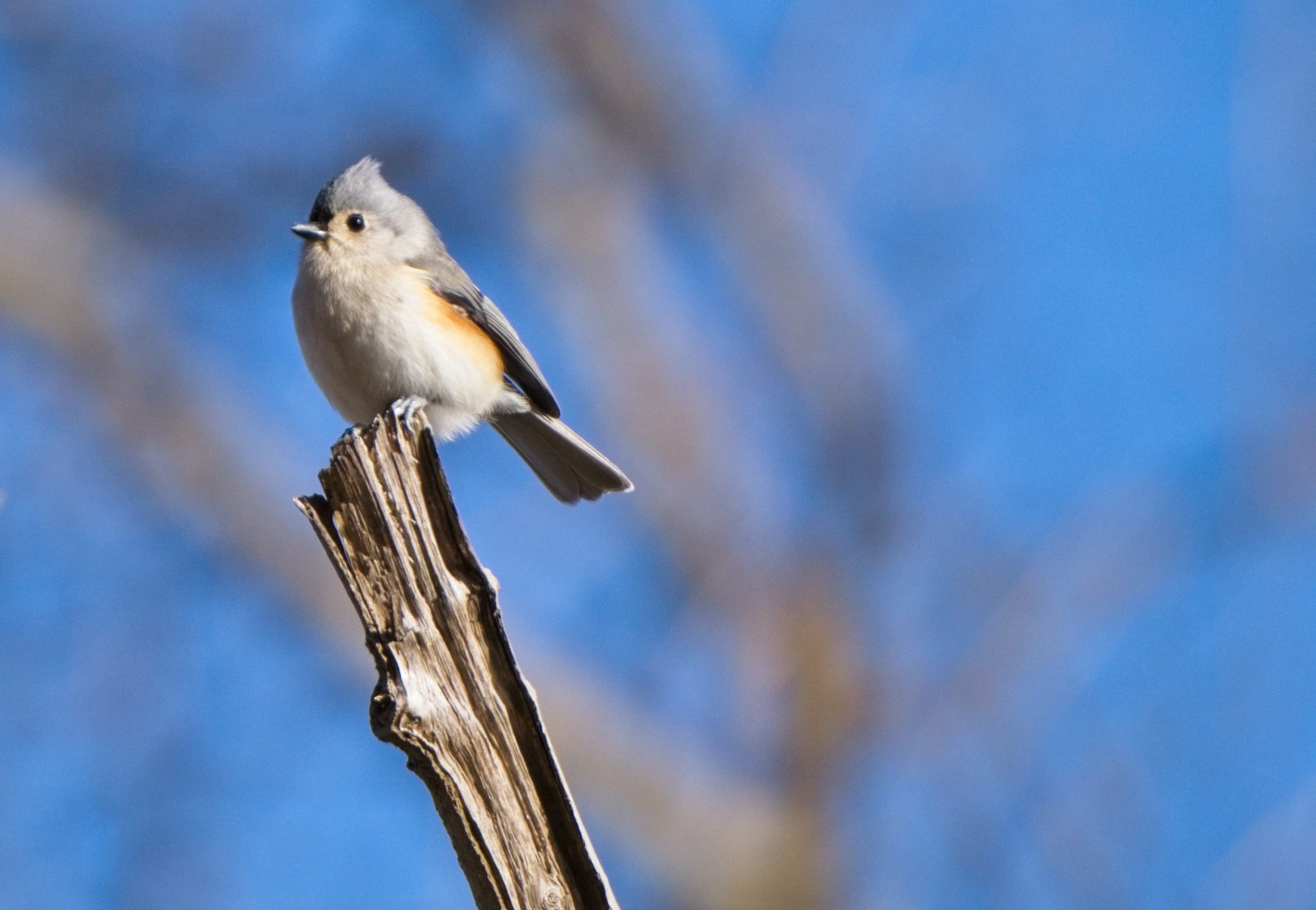
The Tufted Titmouse is a friendly and common bird at the feeder.
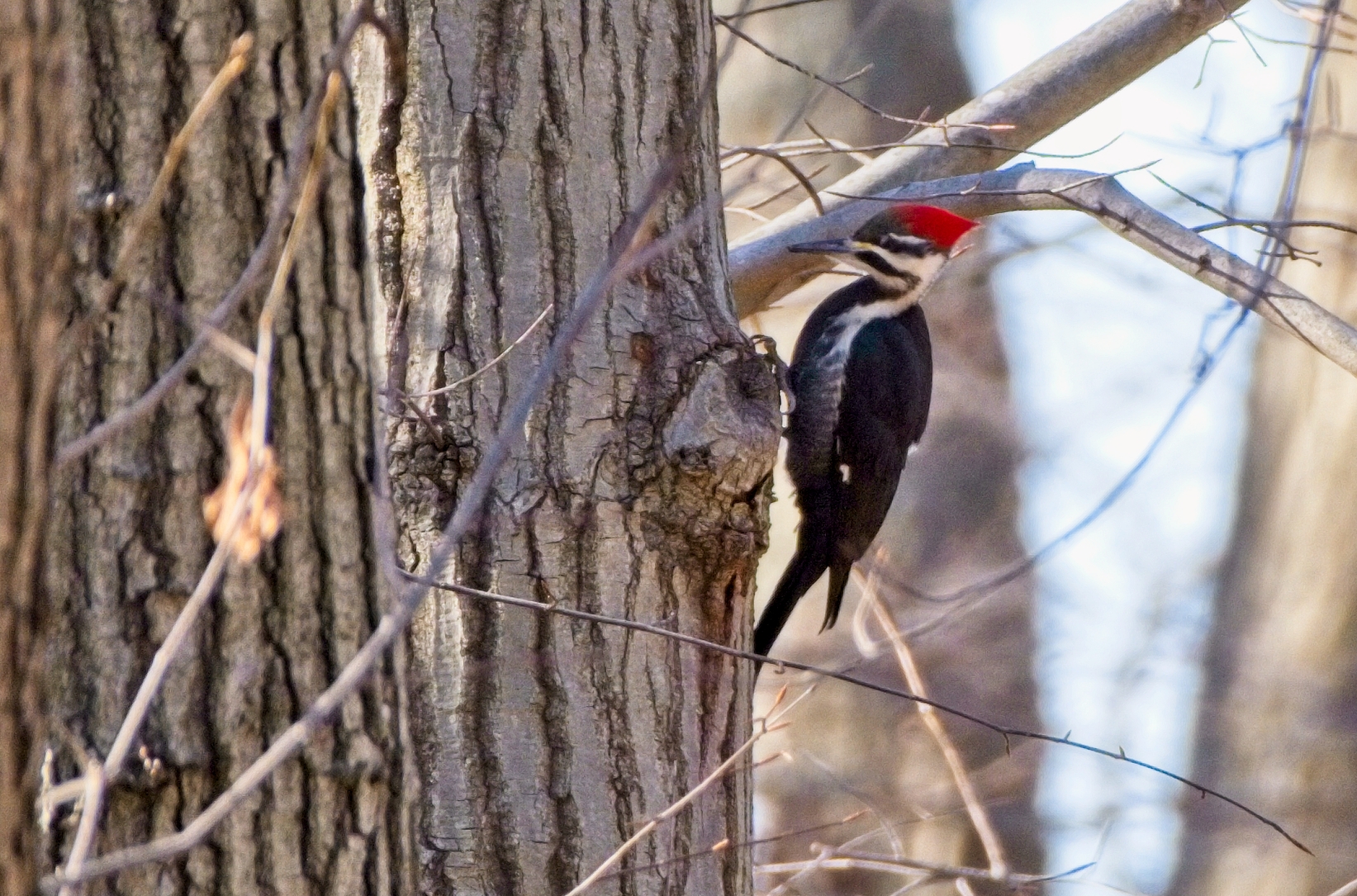
The Piliated Woodpecker is a large, beautiful bird.
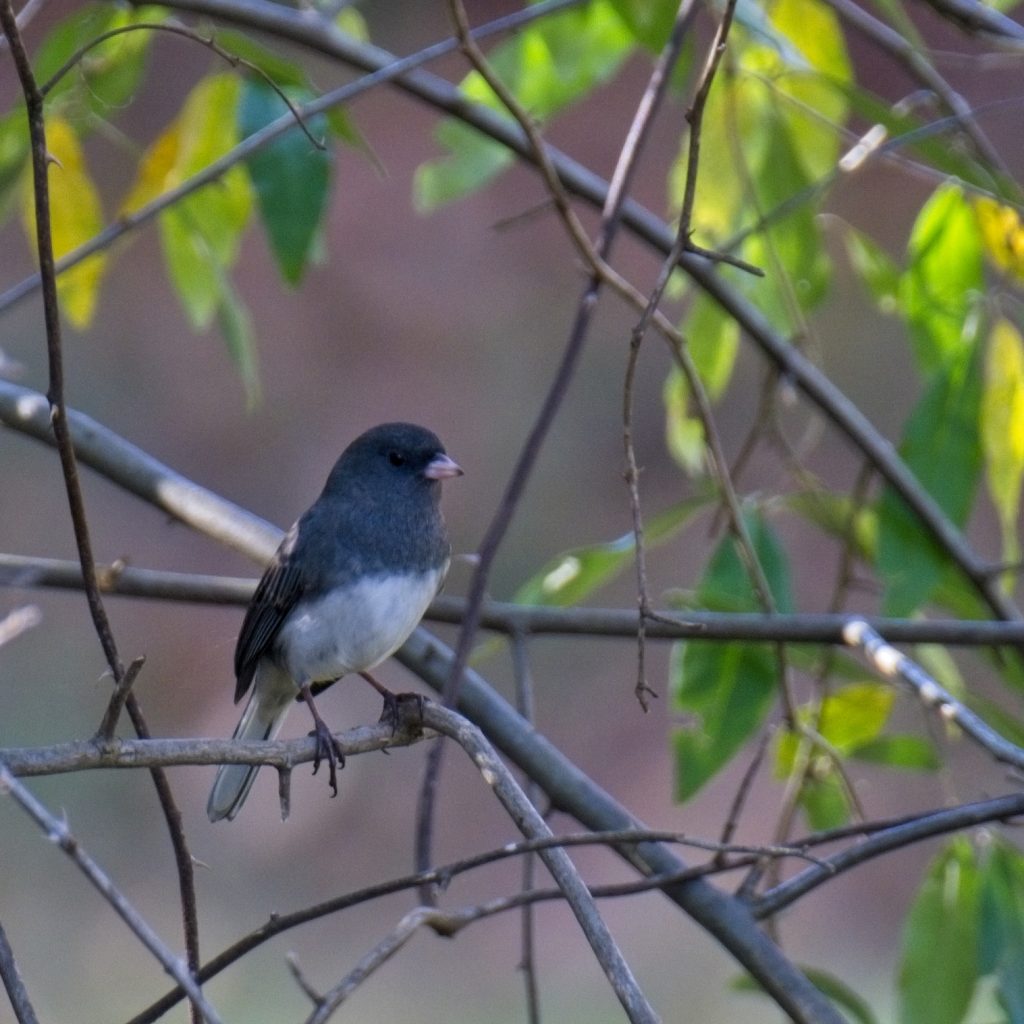
Birds such as robins spend most of their time on the ground searching for food. Their diets consist mostly of worms, insects and some berries. Many other small birds such as sparrows, wrens and juncos also spend a lot of time foraging on the ground as well. They enjoy exploring under leaves or bugs. European starlings, grackles and cowbirds will also forage on the ground as well, but also love to invade feeders.
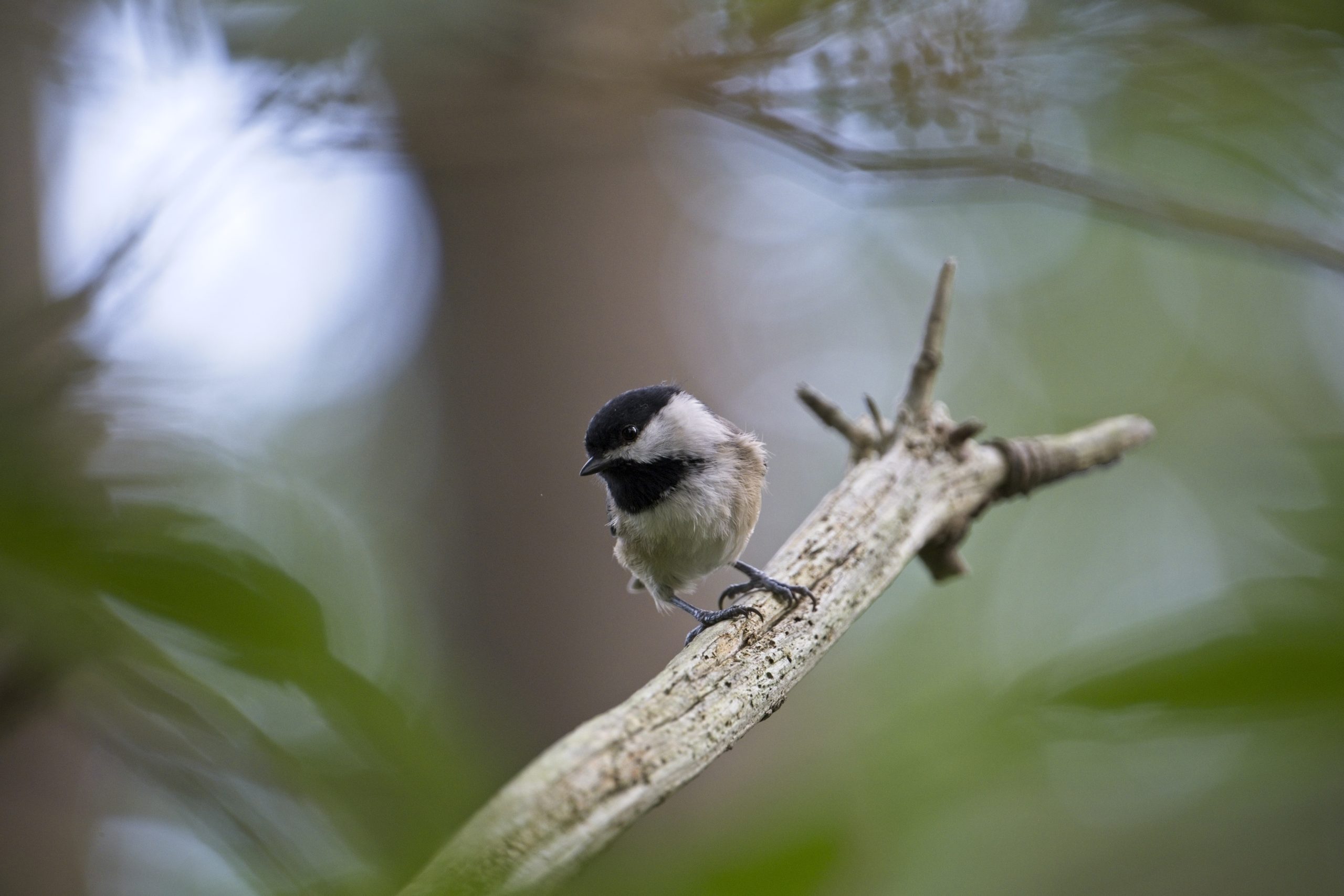
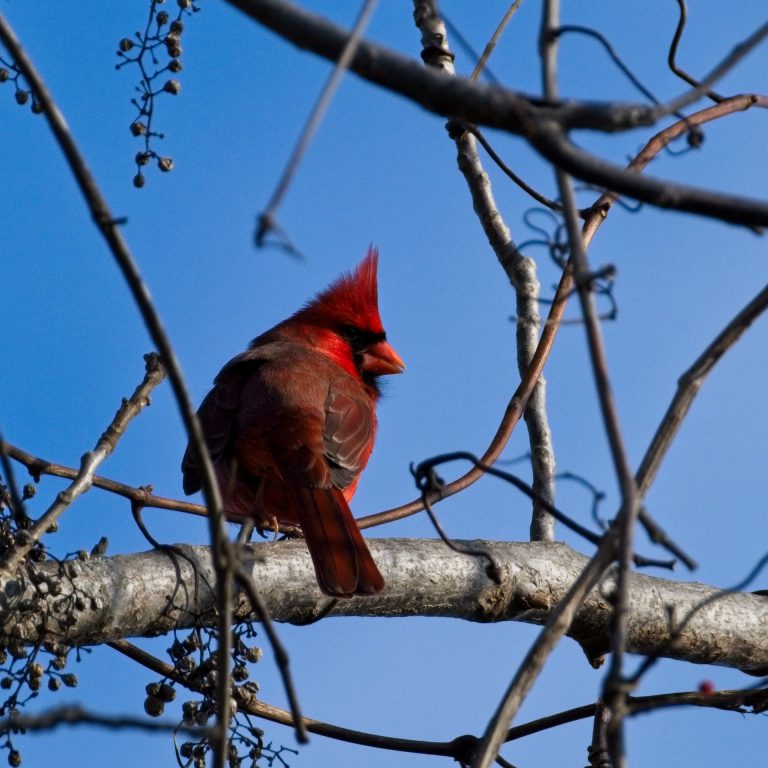
Many of these smaller birds spend a lot of time in lower thick cover such as woody and evergreen shrubs and even wild rose thickets and small trees that are covered with various types of vines. This type of habitat offers both food and protection from predators. I often also see catbirds and cardinals in these areas as well as chickadees, sparrows, wrens, warblers and thrushes.
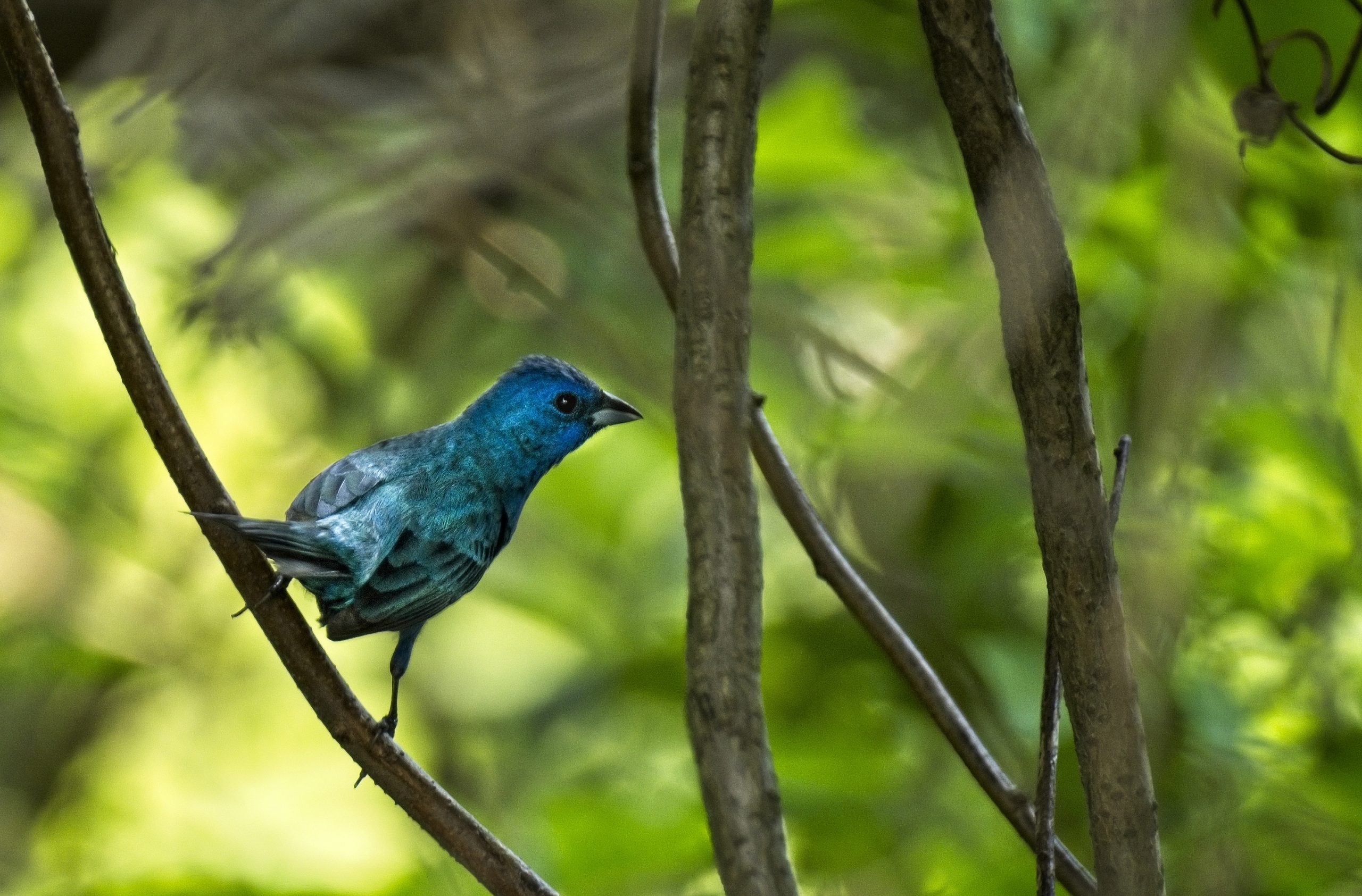
Moving up higher in the trees are a wide variety of birds. From mid-level to the tops of the canopy we can find blue jays, woodpeckers, orioles, tanagers and vireos. These birds are often harder to observe because they are so high up in the tops of the trees.
And finally the sky above the tree canopy is home to many birds of prey, soaring high overhead looking for their next meal. Hawks, eagles, falcons, owls and vultures also nest high up in the trees, and use that height for protection as well as a great view of their surroundings, always on the lookout for rodents and even other birds.
Ideally, provide different levels of habitat in your yard. From tall oak trees, to evergreens, woody shrubs and even smaller flowers and perennials will all help to attract many different birds.
There is a huge variety of feeders and foods available for wild birds. Many options are very generic, they will accommodate many types of birds, while other feeders and foods are very specific as to the birds they attract. So a little thought must be put into what you may want to see in your backyard, or observe what is there, and try to feed those birds the appropriate foods. It is fun to use special feeders for certain birds however. Feeders for orioles can provide them with their favorite foods in spring, that is grape jelly, nectar and even oranges. Suet is another popular type of food that many birds enjoy. Woodpeckers and nuthatches are fun to watch climb around on a suet feeder. Hummingbirds have a specialized type of feeder as well, as they do not eat seeds, only drink a sweet sugary water mix. They are amazing little birds that also enjoy a wide varieties of flowers. Finally, finches are also fun to feed, and enjoy special types of seeds. The seed for finches is quite small, and there are specific feeders made for their seed.
Placement of the feeders around your yard in strategic locations is not to be overlooked. If your feeders are located out in open spaces, the birds may be vulnerable to being attacked by hawks, and will never feel to comfortable eating their food. Also, your feeders need to be within 2-3 feet from a window, or at least 25-30 feet away from windows to prevent the birds from flying into the window. This is a very common cause of death. Keep your feeders near trees and shrubs so they can hang out on the branches, and have some cover if they need to escape from the hawks.
Also keep in mind that a clean manicured backyard is not always the best for birds. Keep things wild and natural. Beautiful sod lawns look nice for us, but provide almost nothing for birds. They would prefer taller grasses and areas of dirt and leaves. And don’t cut back your flowers, grasses and shrubs in the fall, as that will often remove the seed pods and berries that the birds could feed on during the winter.
So there is definitely a great diversity of foods and feeders available to provide for many different birds. That all will be the subject of other articles and blogs here on my website. Also look at the featured products here on my website, and simply order it here directly with my affiliate links.
To sum up, if you provide a great environment for the birds, no matter how big or small your yard may be, they will come, and you will enjoy having them around. You will be rewarded for the time, money and effort that you put into attracting the birds, as feeding and observing them is a great deal of fun!