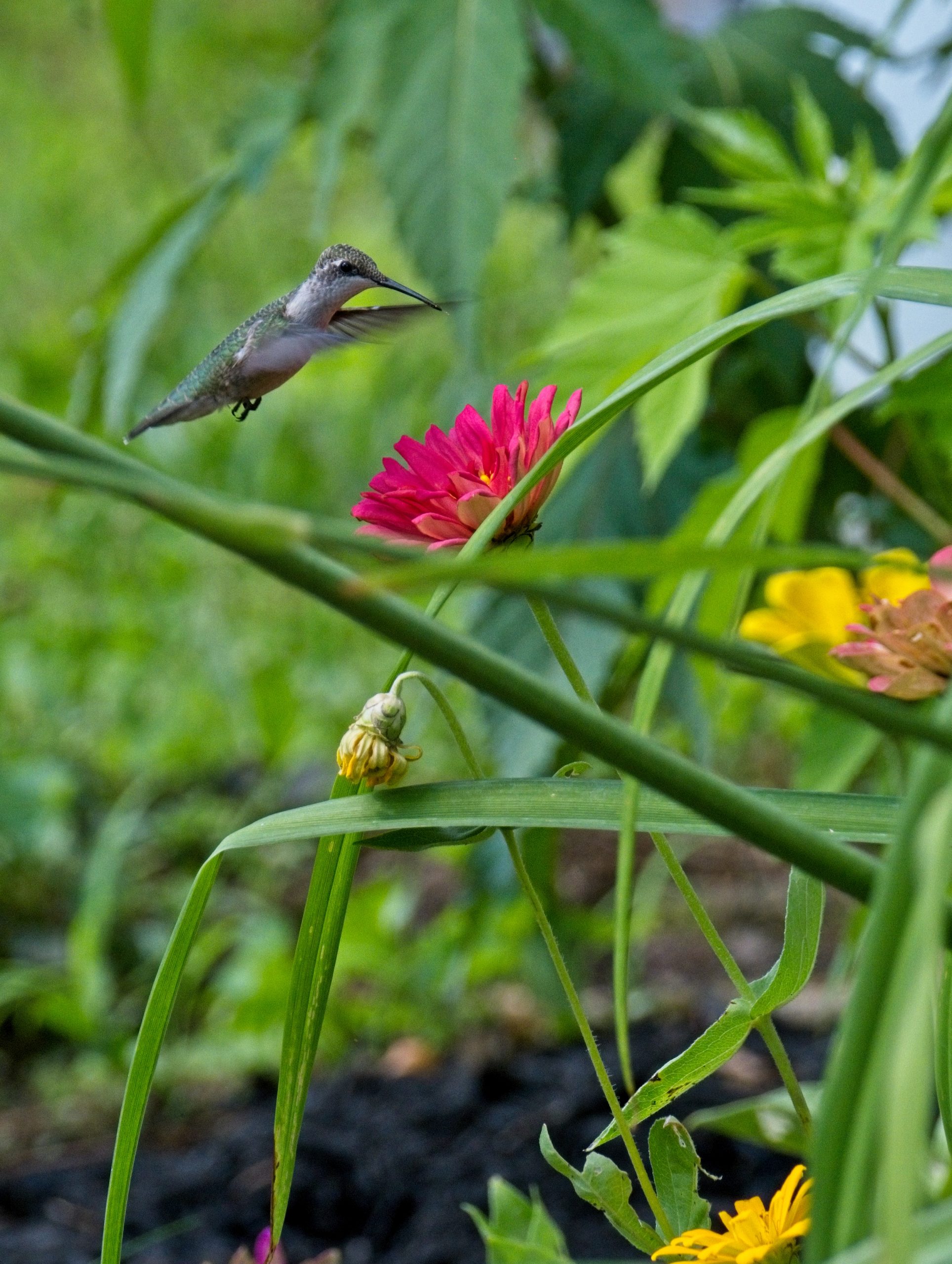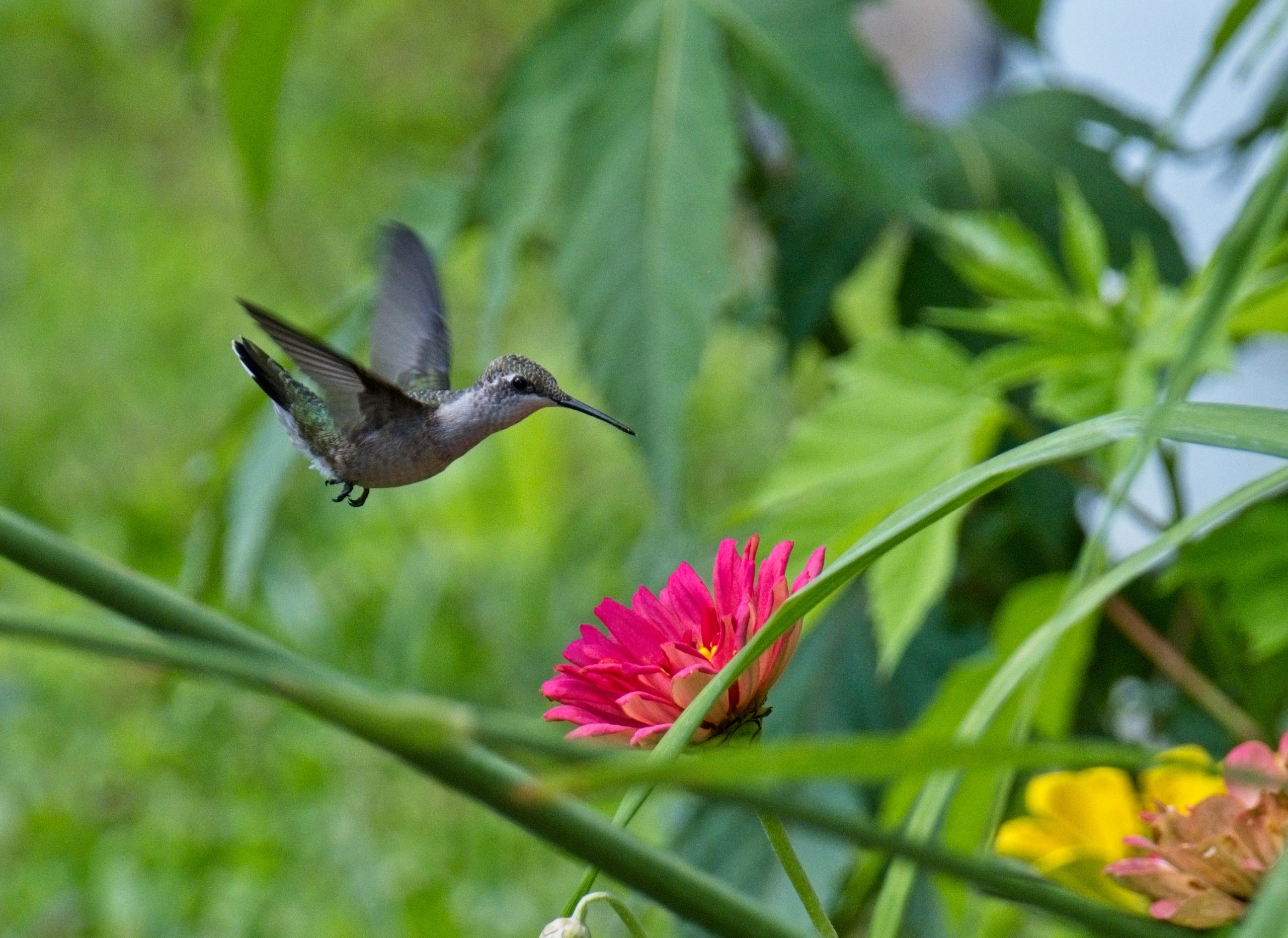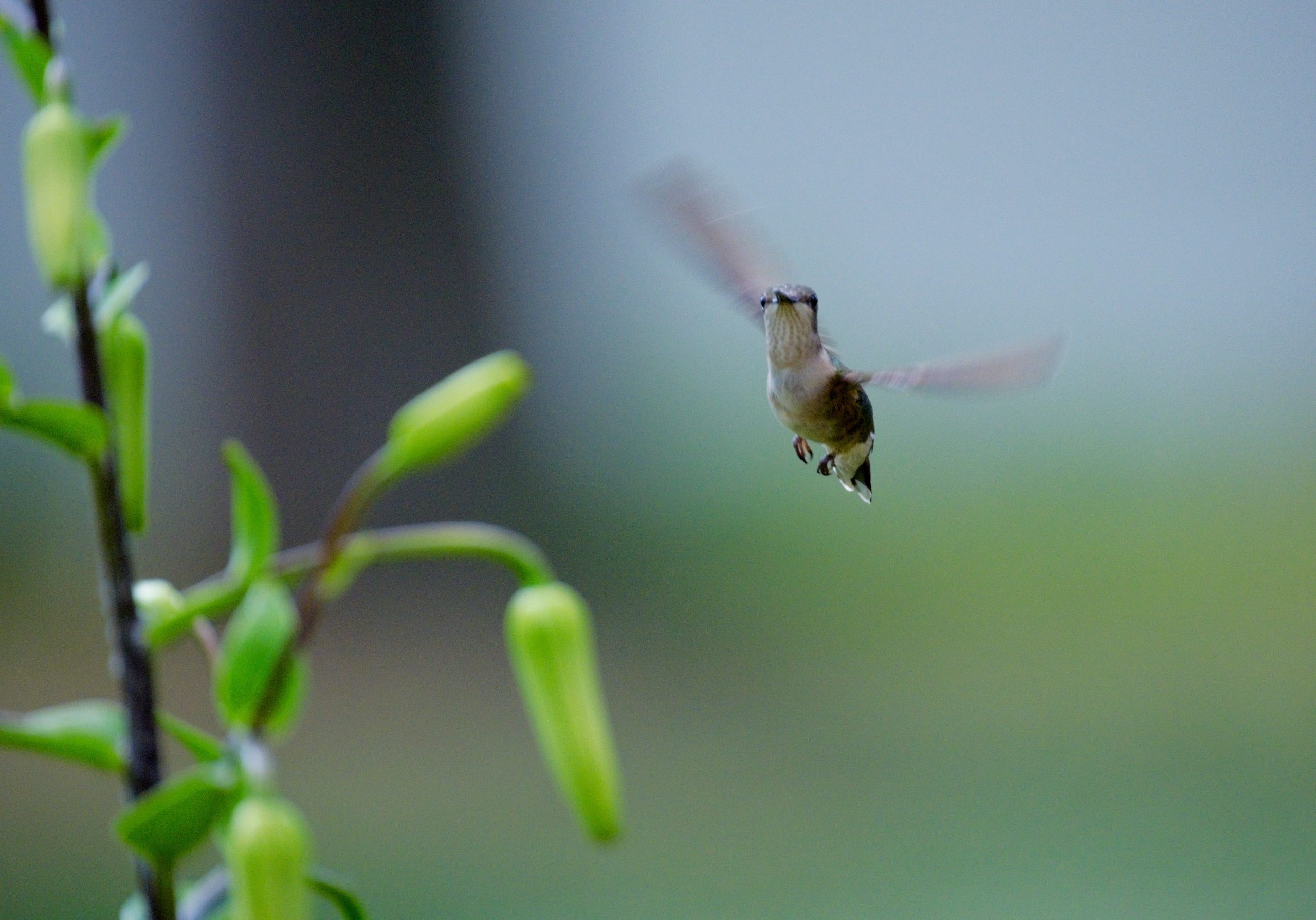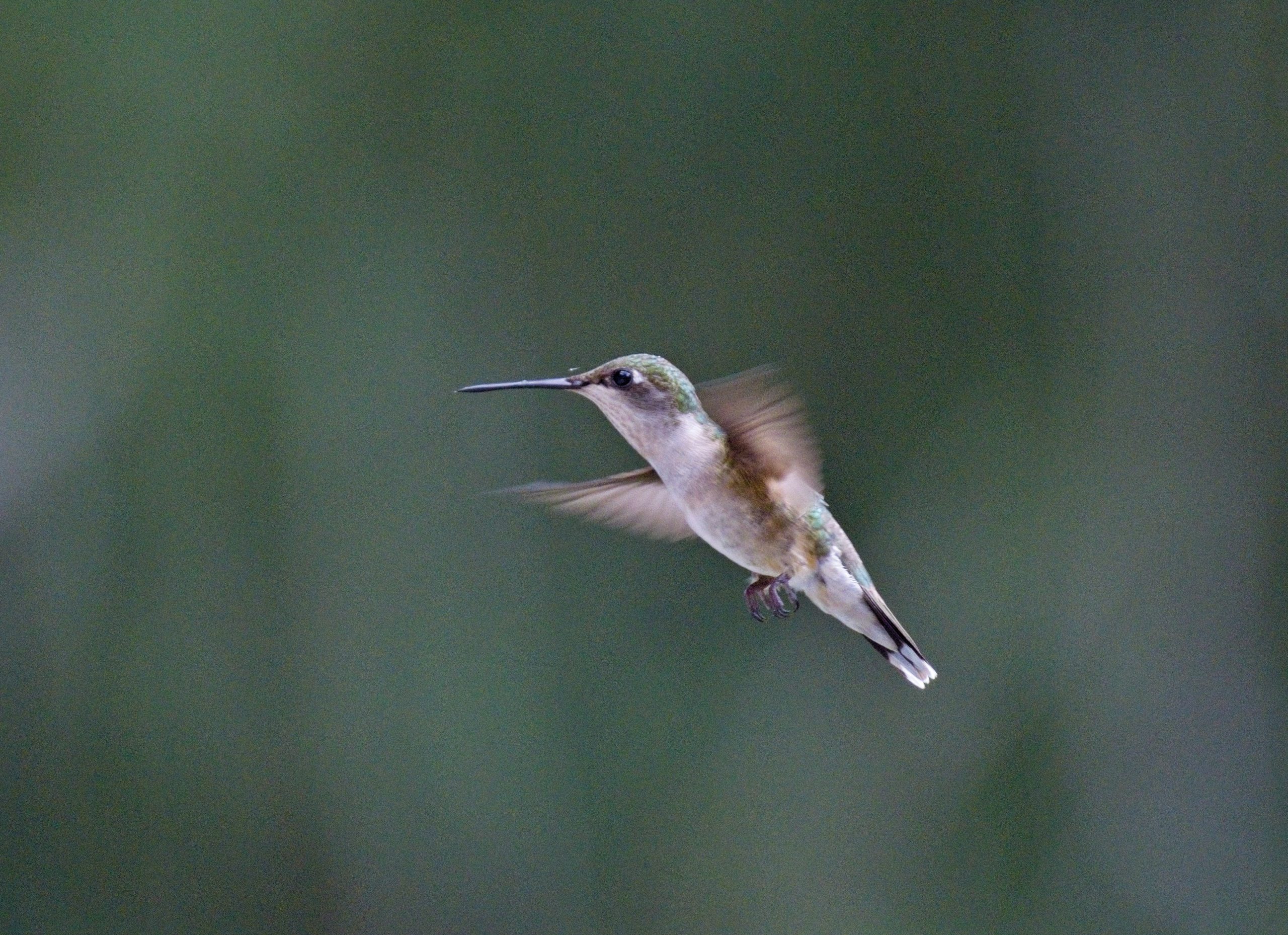
The Amazing Hummingbirds


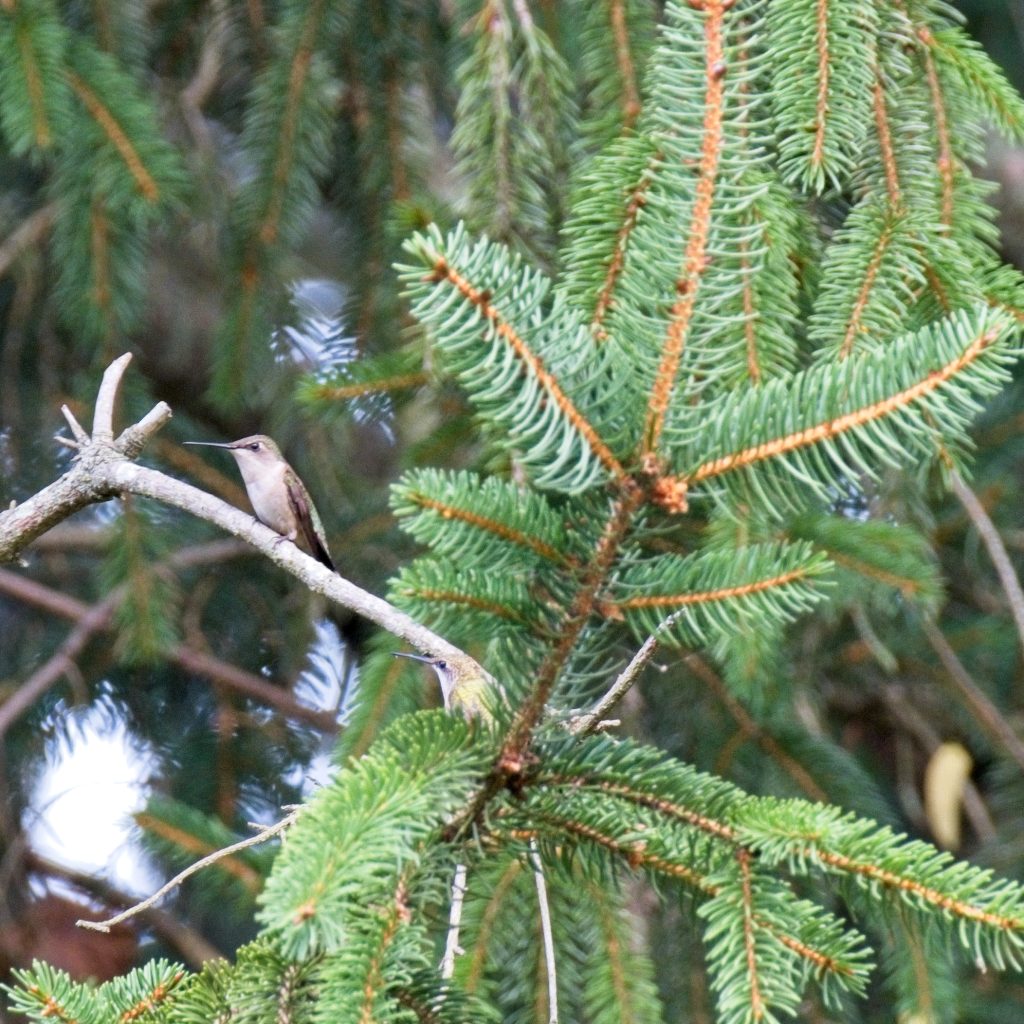
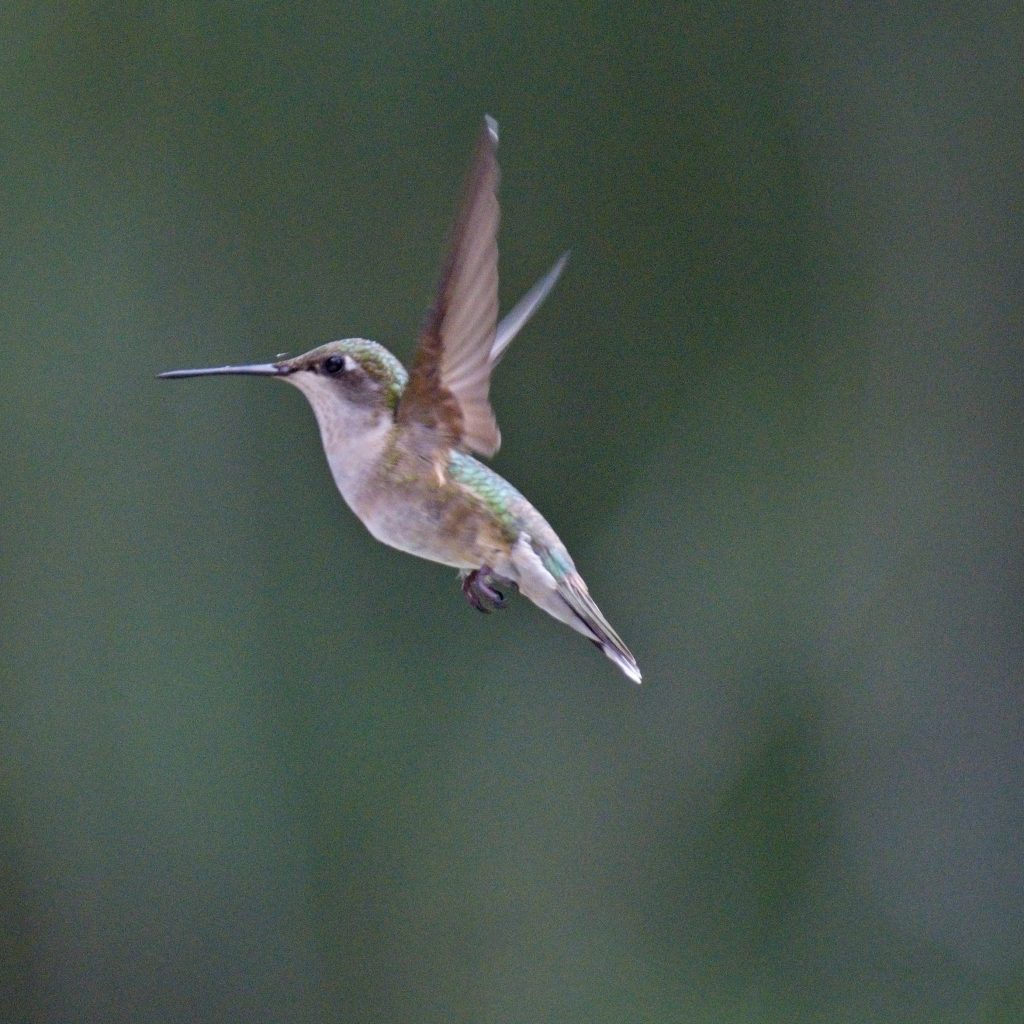
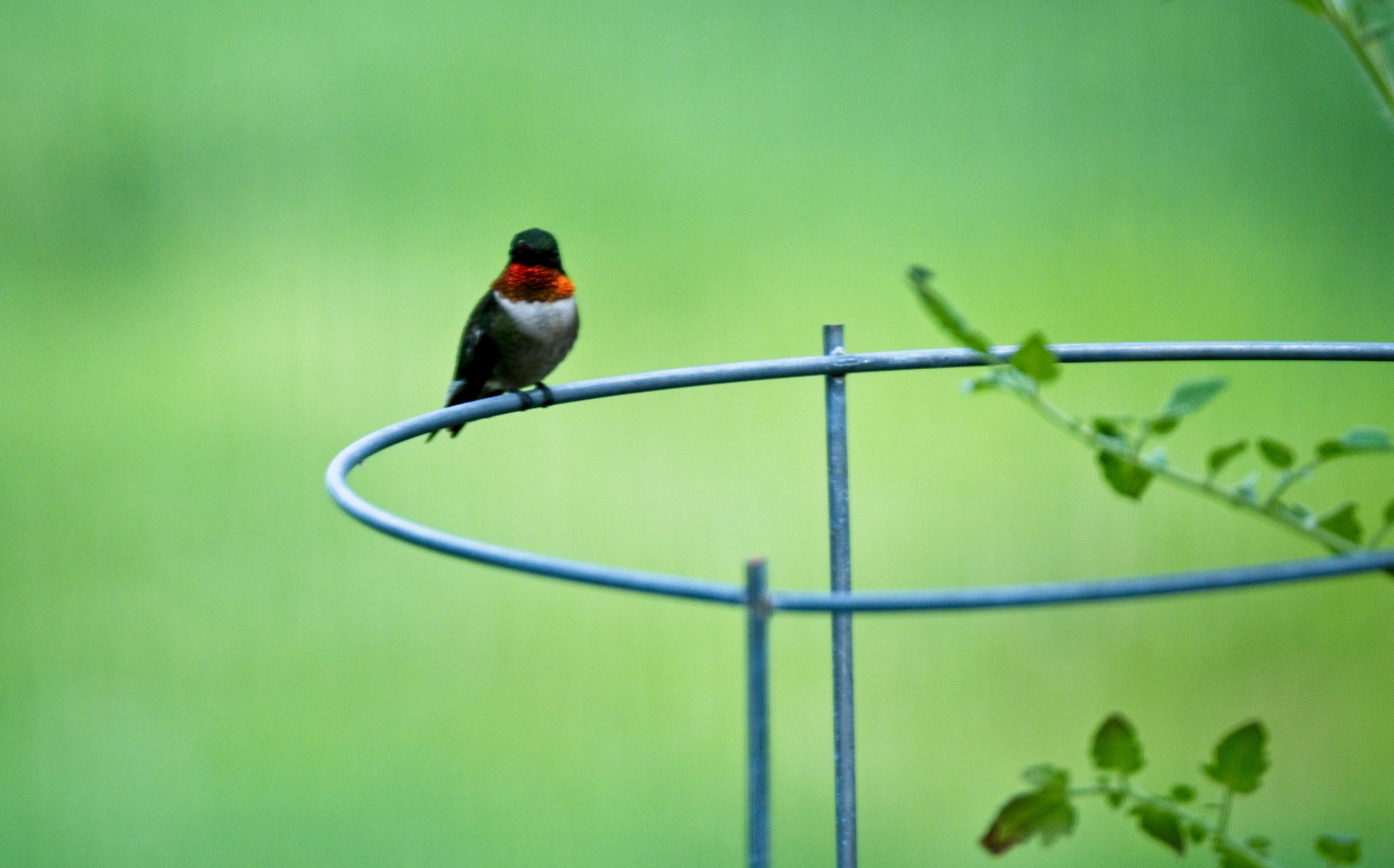
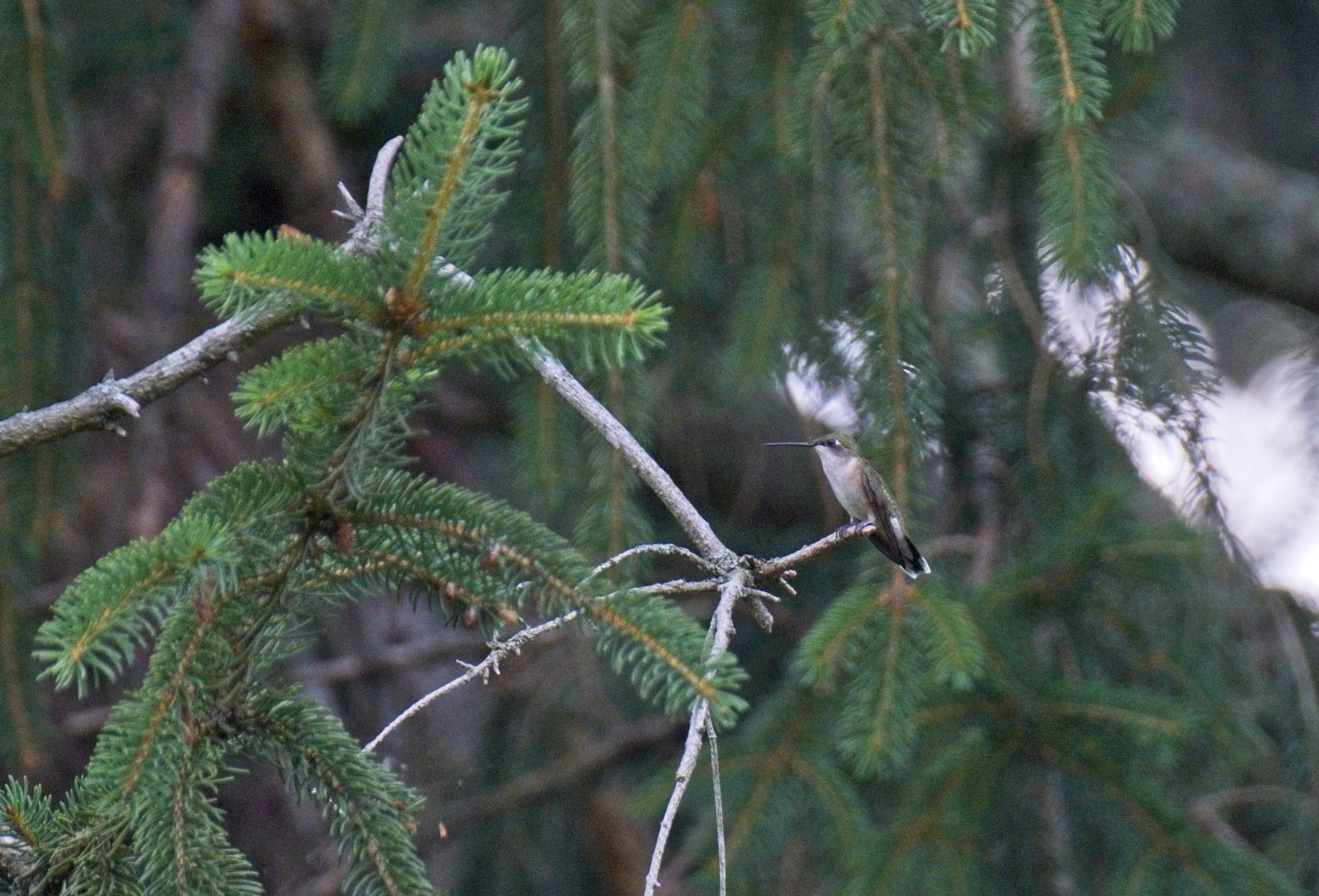
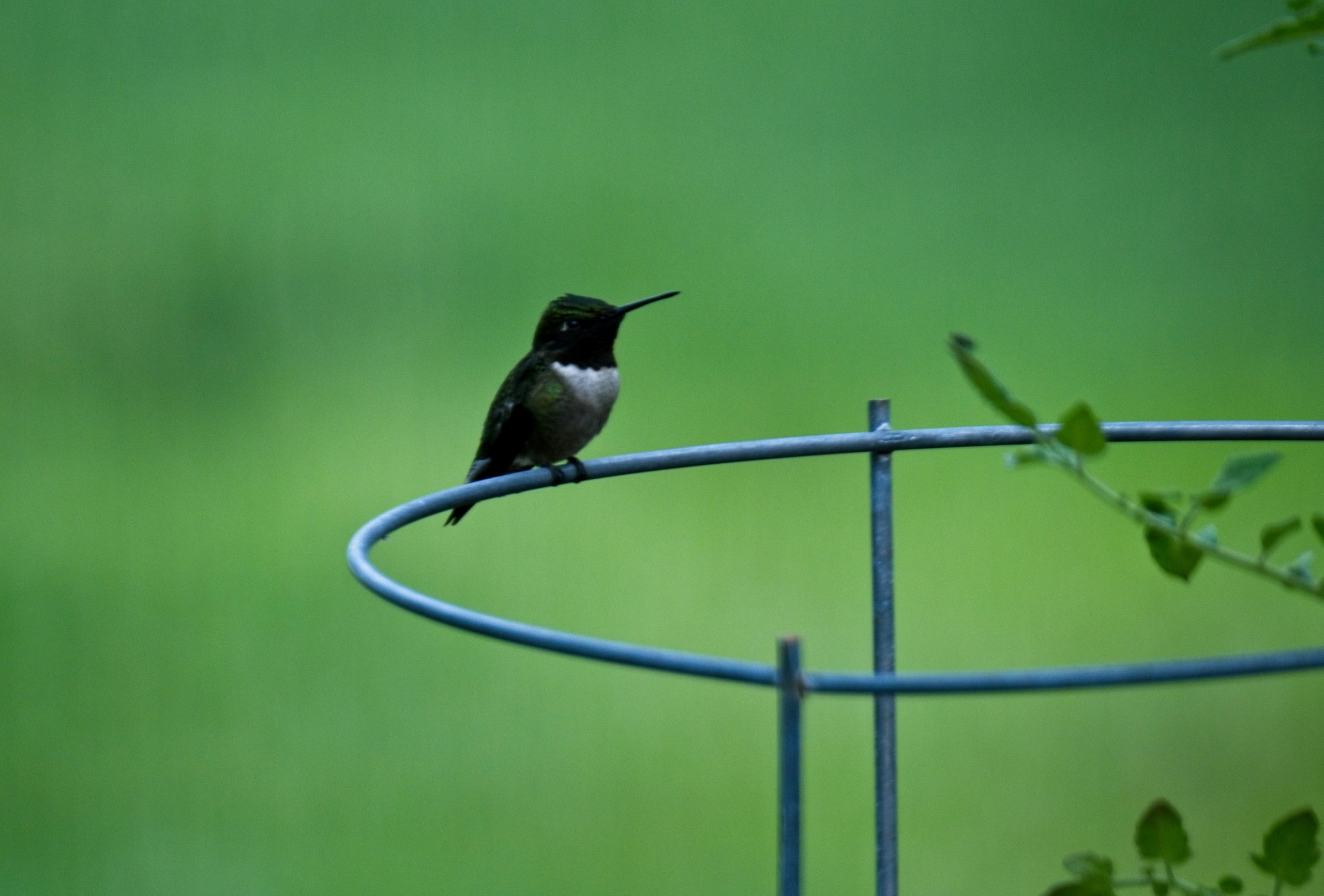
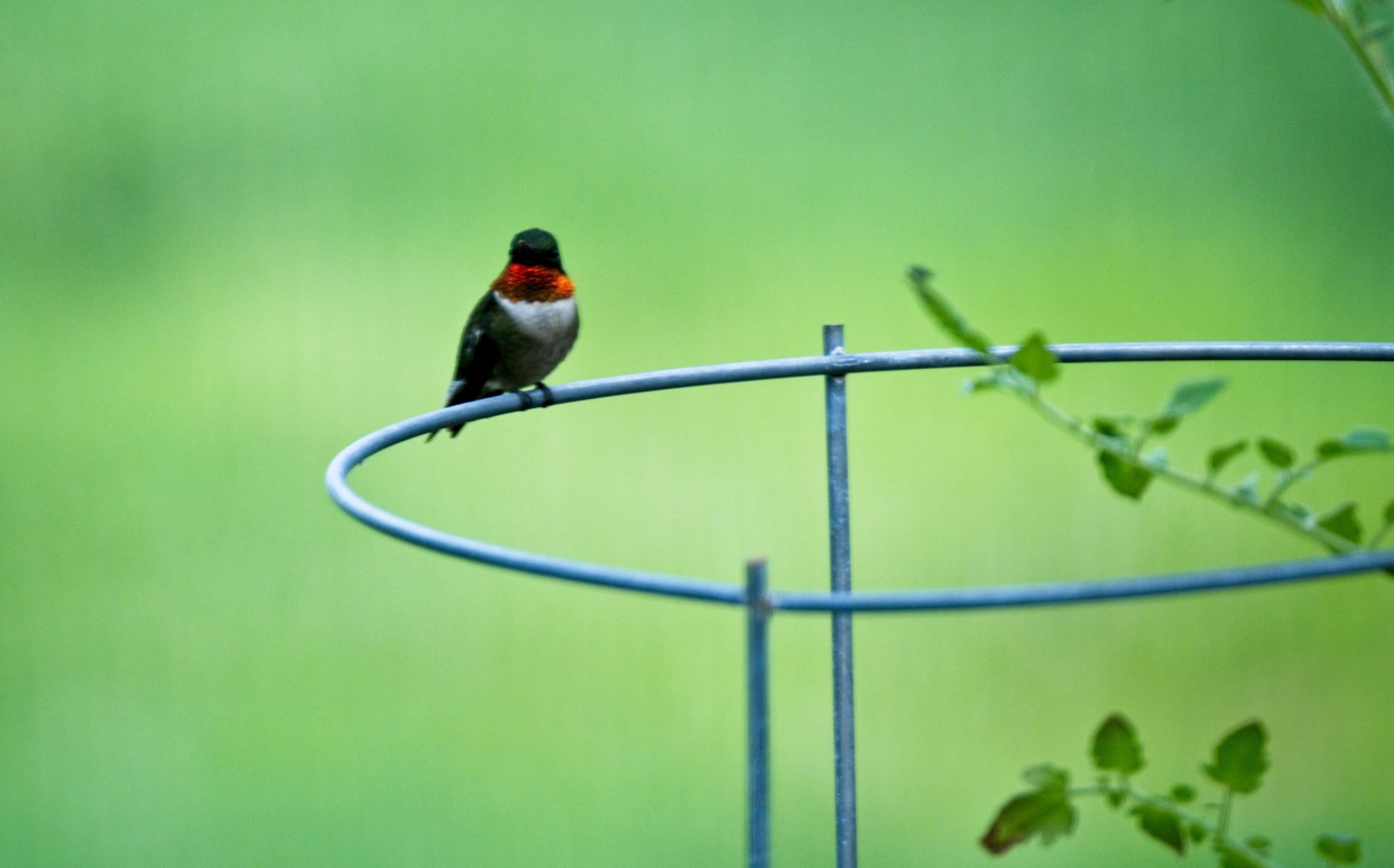
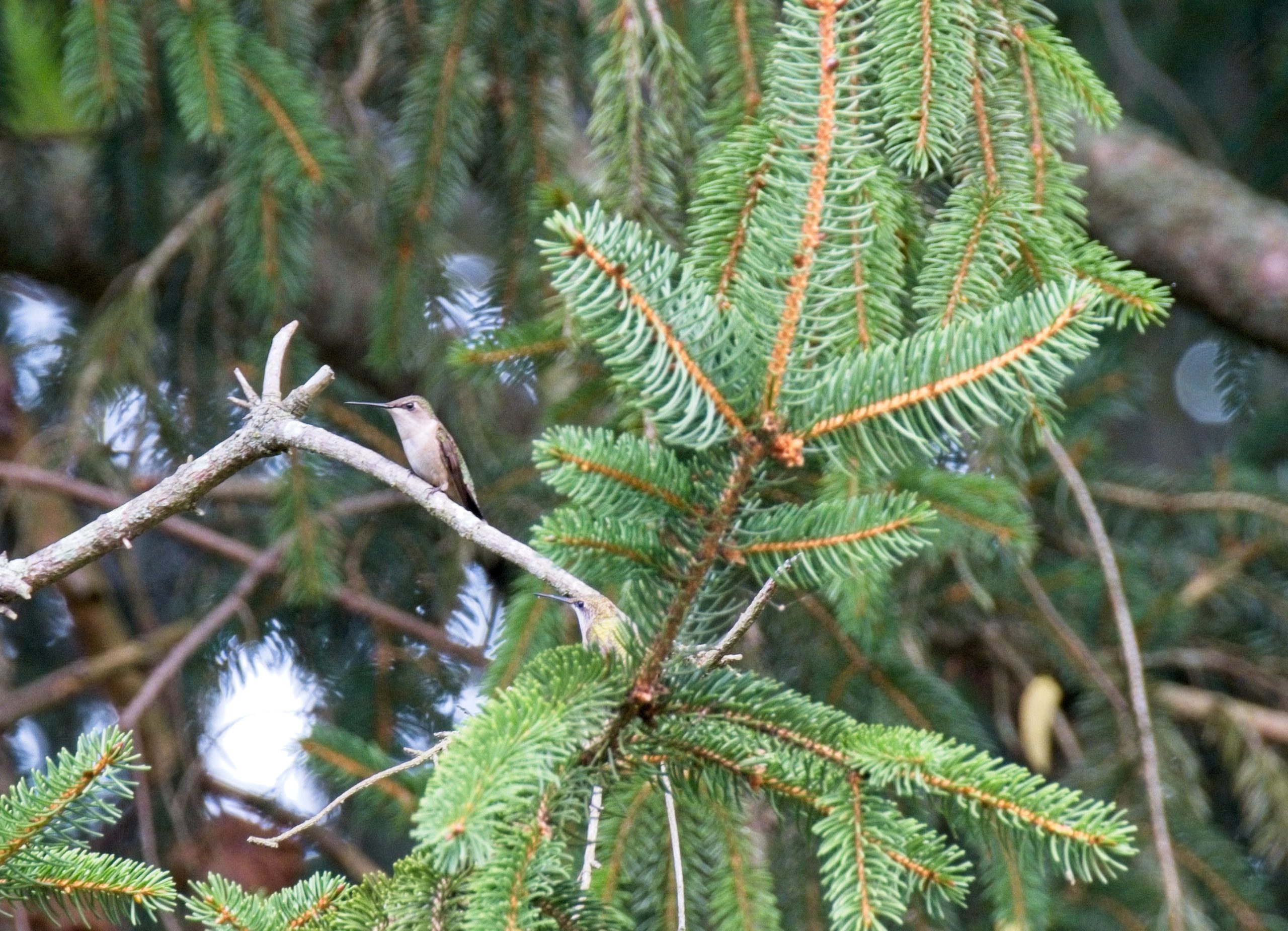
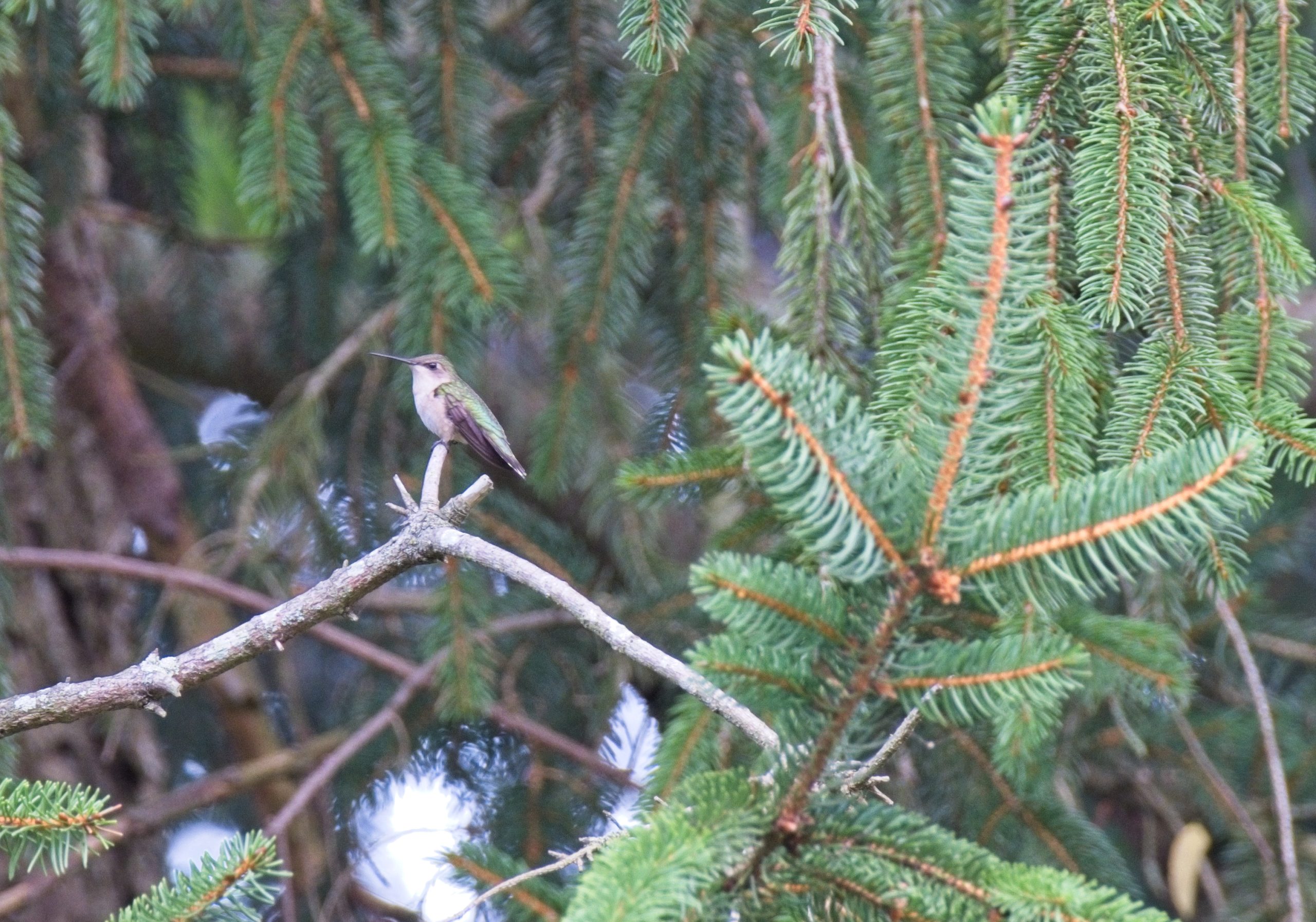
Unfortunately, in our part of the country (The Mid-Atlantic and North East) there is only one variety of hummingbird that visits us in the summer. That is the Ruby Throated Hummingbird. They start to appear around the end of May into early June in my backyard. Believe it or not, they migrate here after spending their winters in Mexico. It’s an amazing journey. Most of the hummingbird species live in South and Central America, and some migrate north into the south western United States as well as most of the West Coast.
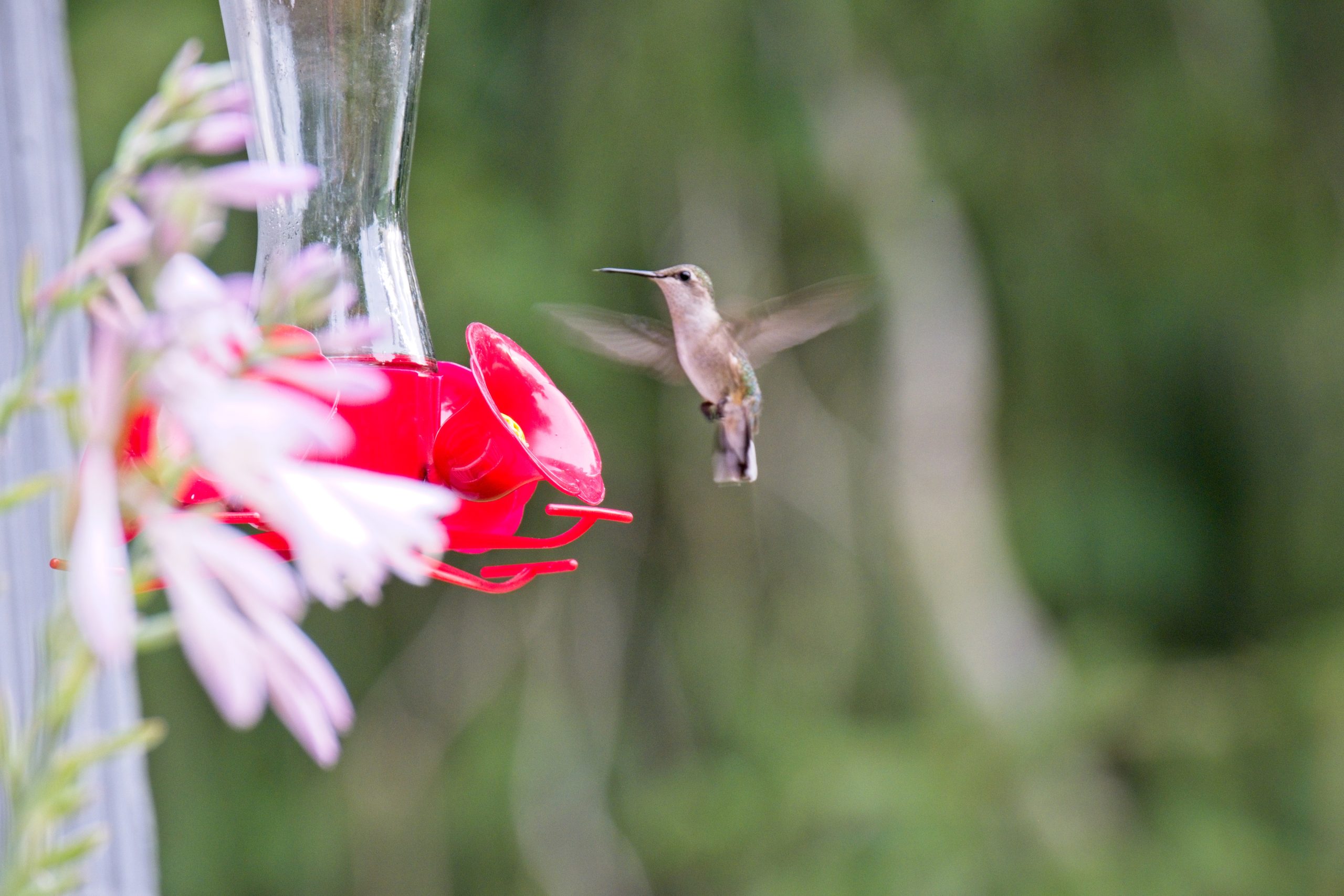
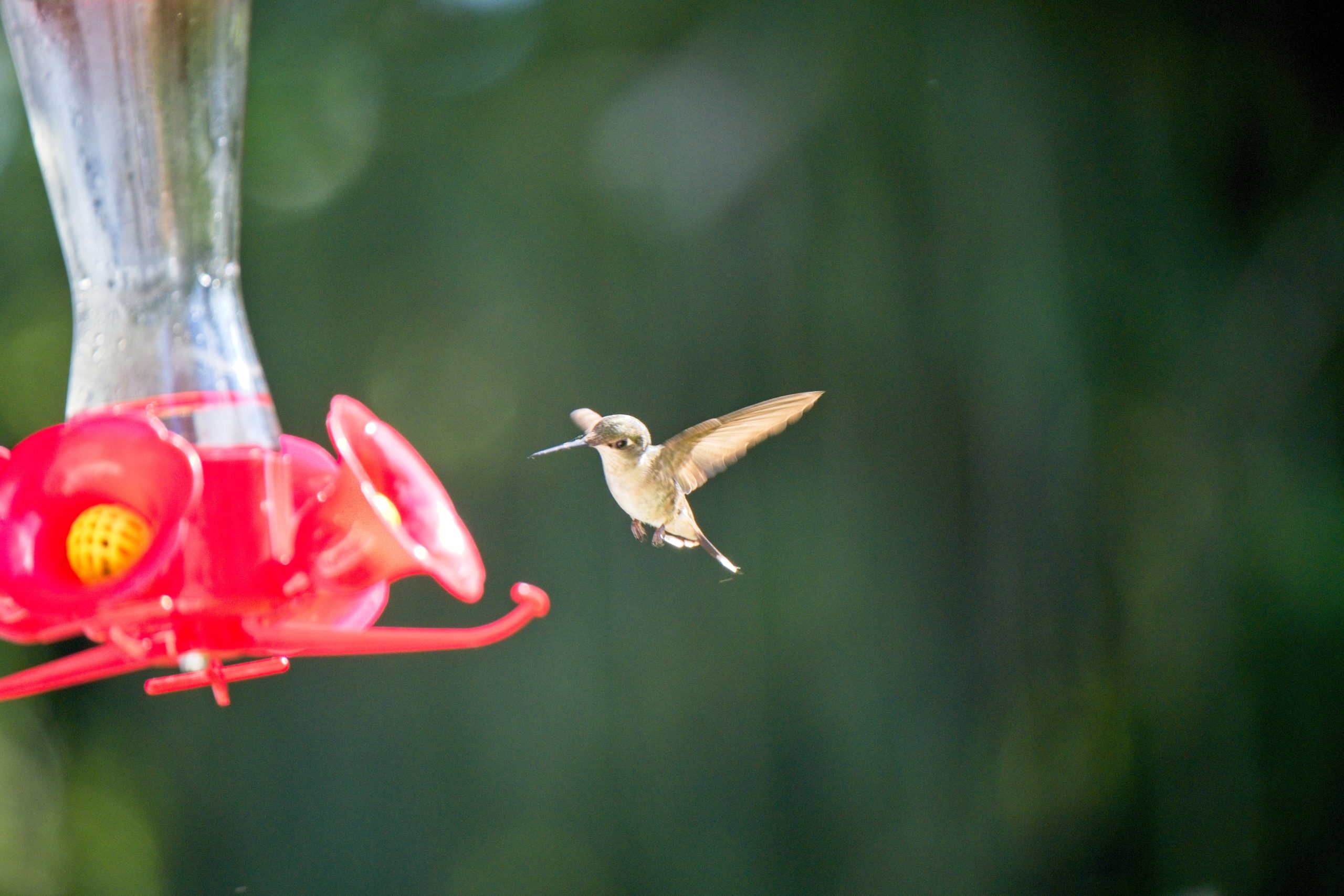
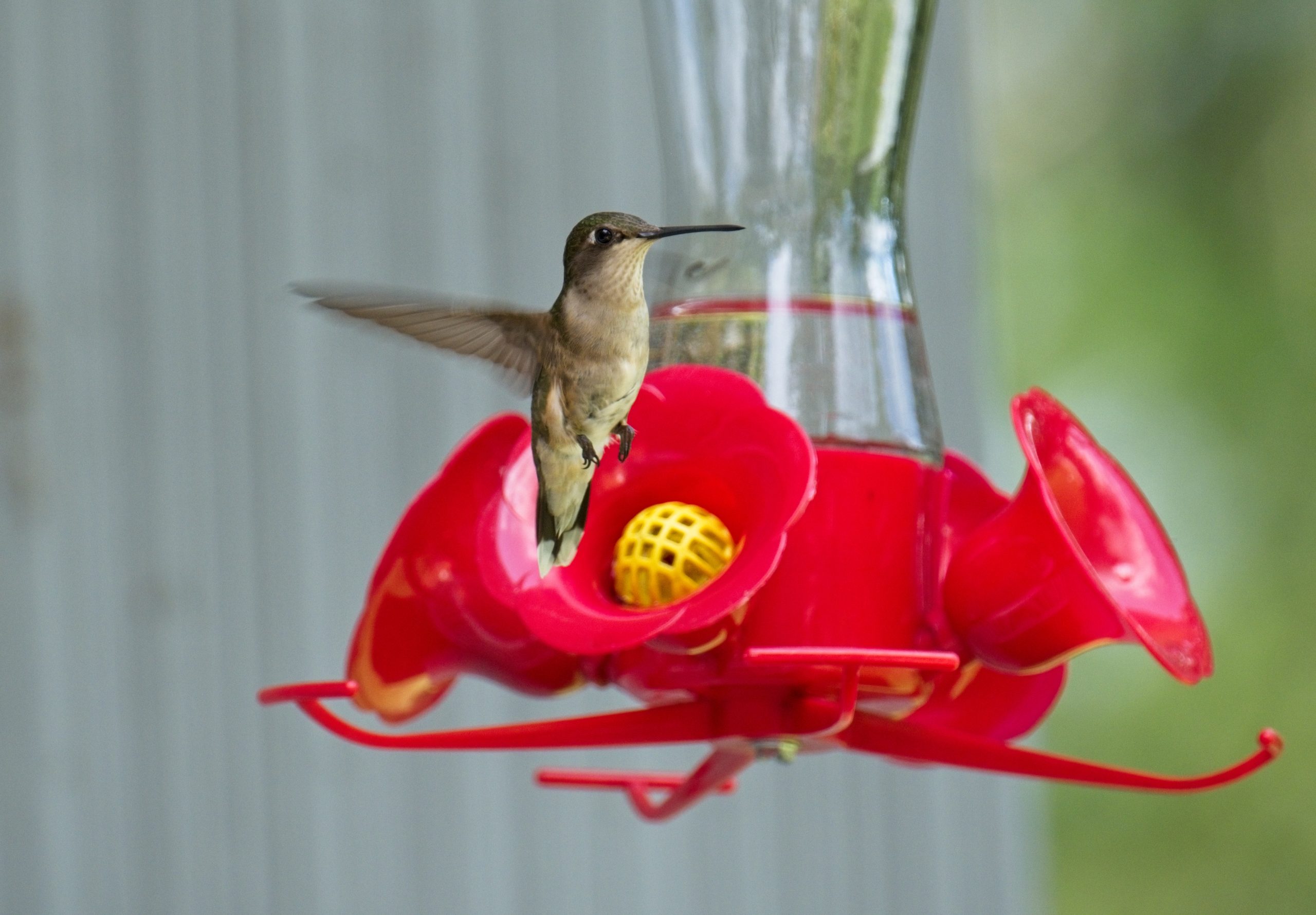
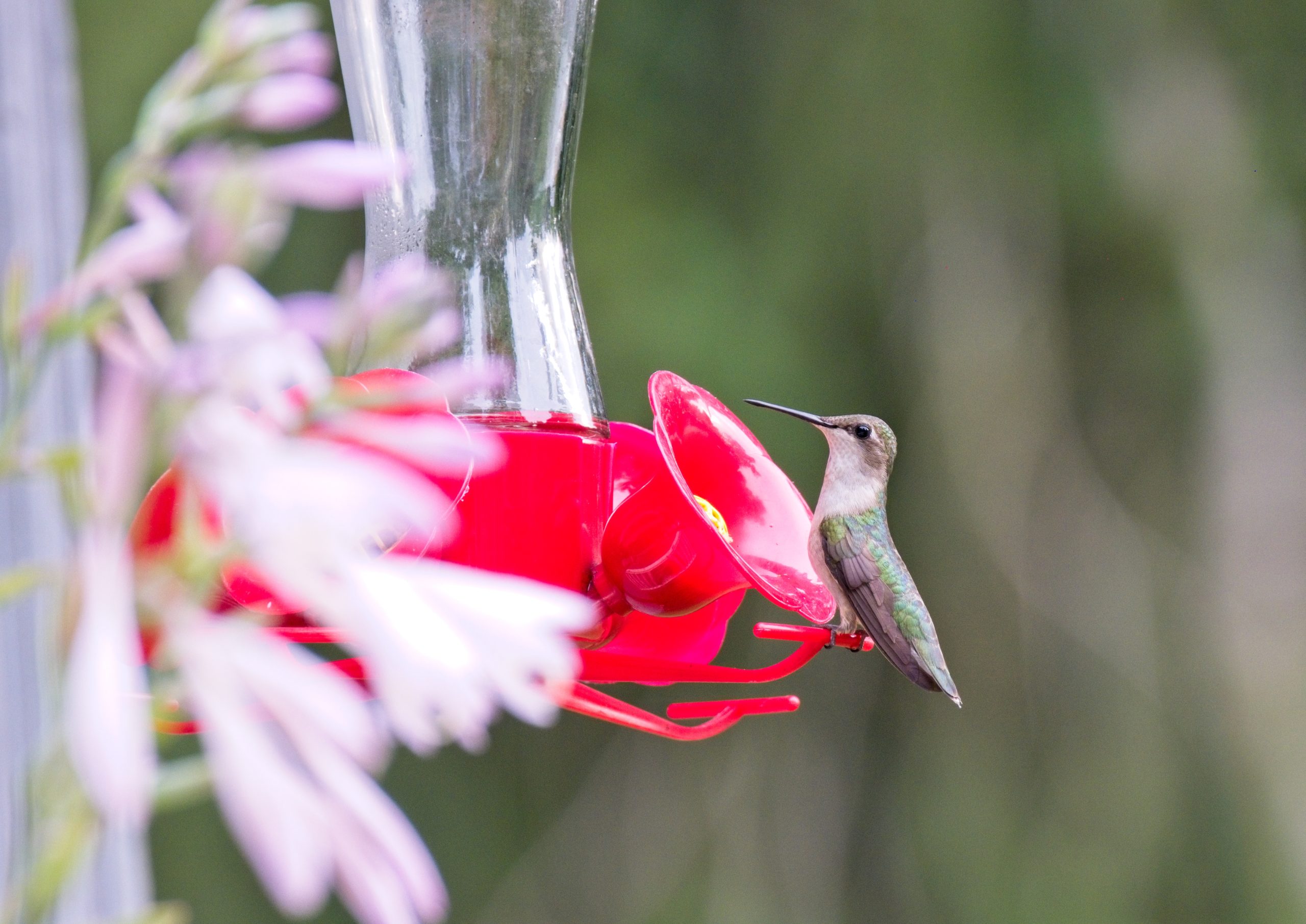
They are always looking for flowers and feeders. They need to feed very often to keep their fast metabolism going. They burn a tremendous amount of energy when flying, so having a good source of nectar nearby is very important to their survival. So, if you can provide them with a constant source of sugar-water in a feeder and a variety of flowers they will love hanging around your yard. A mixture of four parts water to one part sugar is the perfect mixture to put in your hummingbird feeder. They will also occasionally catch and eat small insects such as flies for some needed protein.
Hummingbirds evolved millions of years ago, and became important pollinators. This may have started by birds looking for insects that were feeding inside of flowers. While searching for insects, they also picked up pollen at the same time. They may also have fed on the nectar in the flower as well. In time, the plants started to rely on the hummingbirds more and more to spread their pollen. Insects being cold blooded (ectothermic) can be limited in their ability to pollinate due to weather conditions. Colder and rainy weather conditions will slow them down. But Hummingbirds being warm blooded (endothermic) can fly in cooler temperatures as well as rainy days. Thus being better for pollinating than the insects. As time went on more flowers evolved to produce flowers more attractive to these birds, and the birds evolved longer beaks and tongues to drink the nectar and pollinate the flowers better.
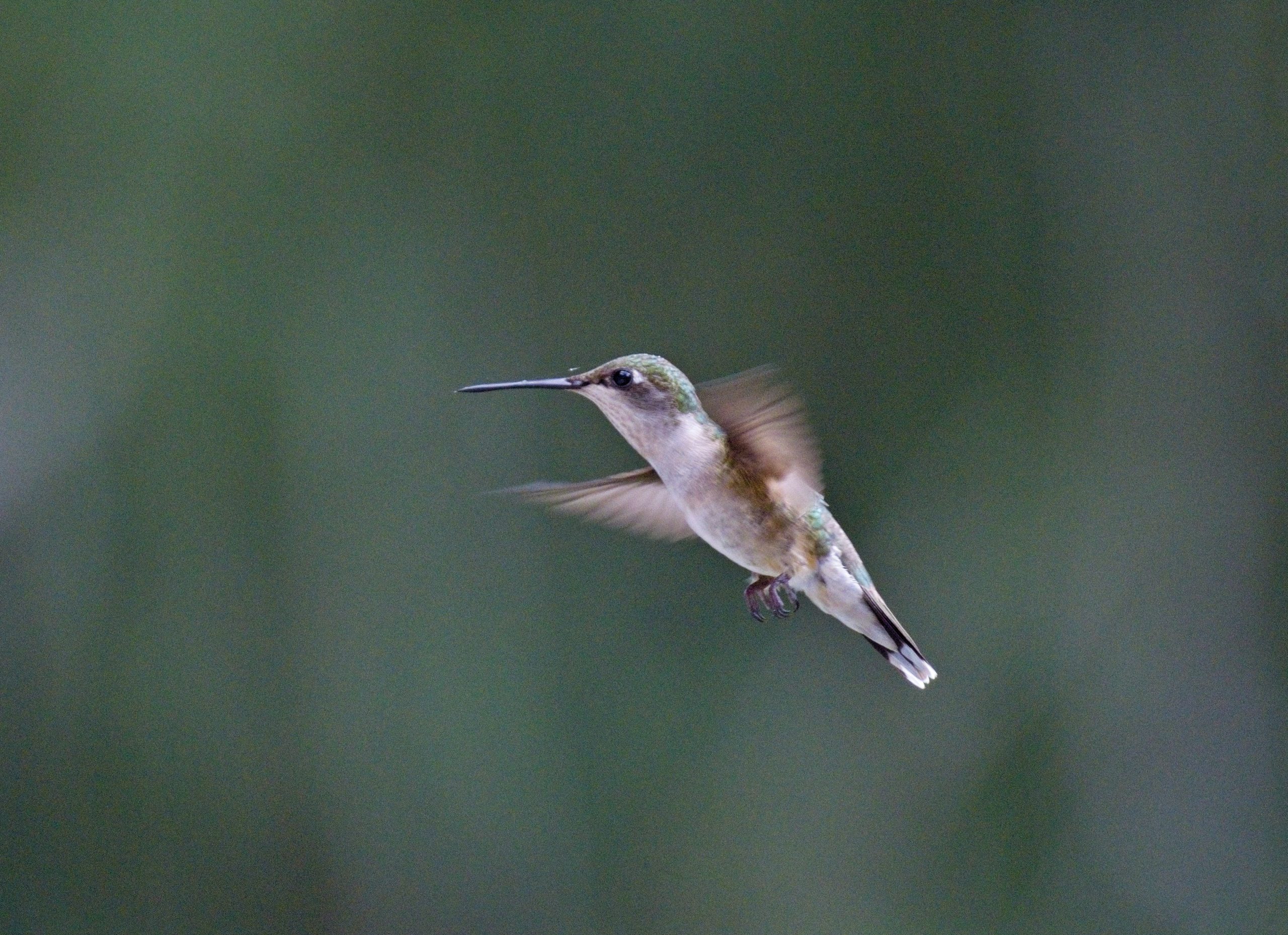
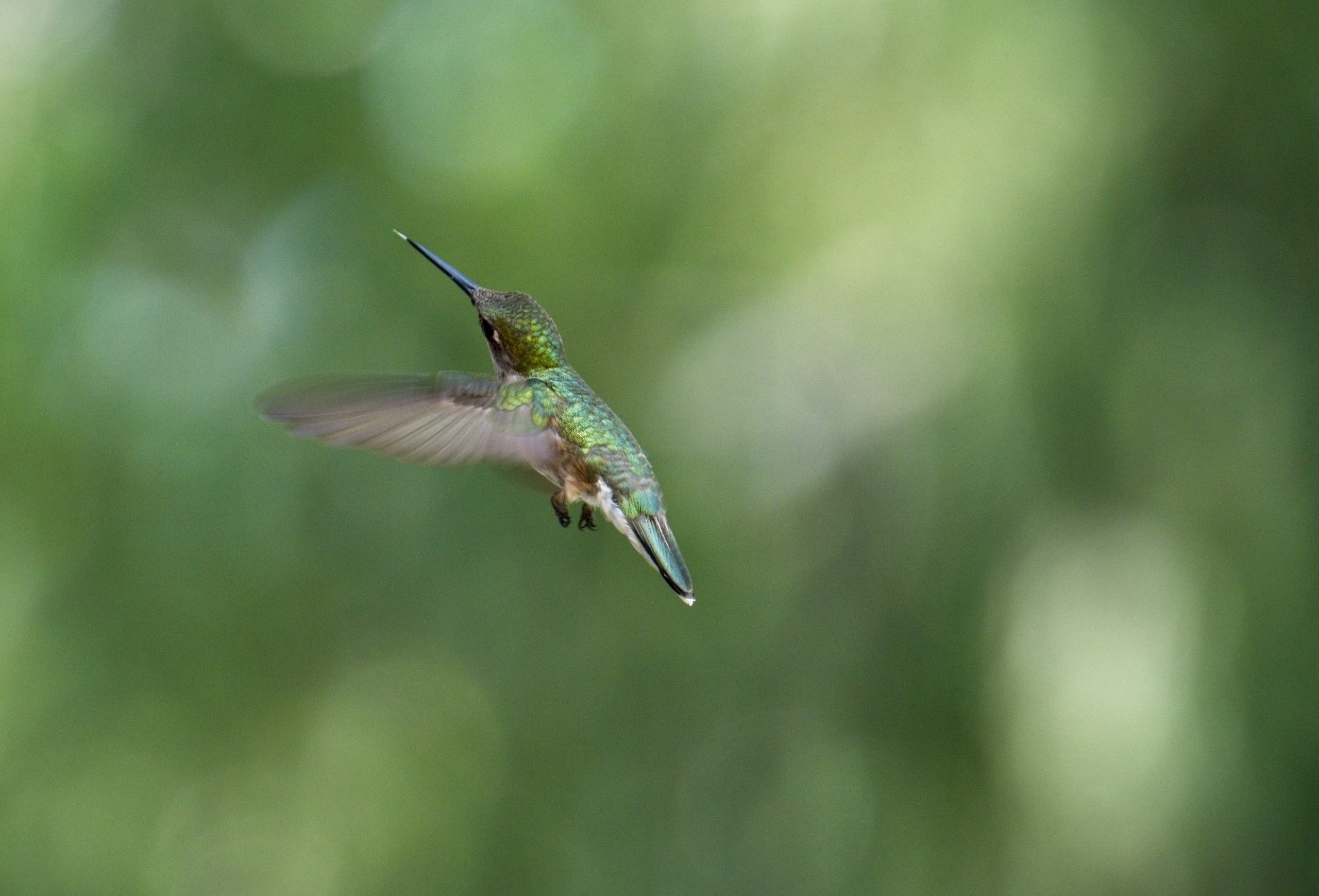
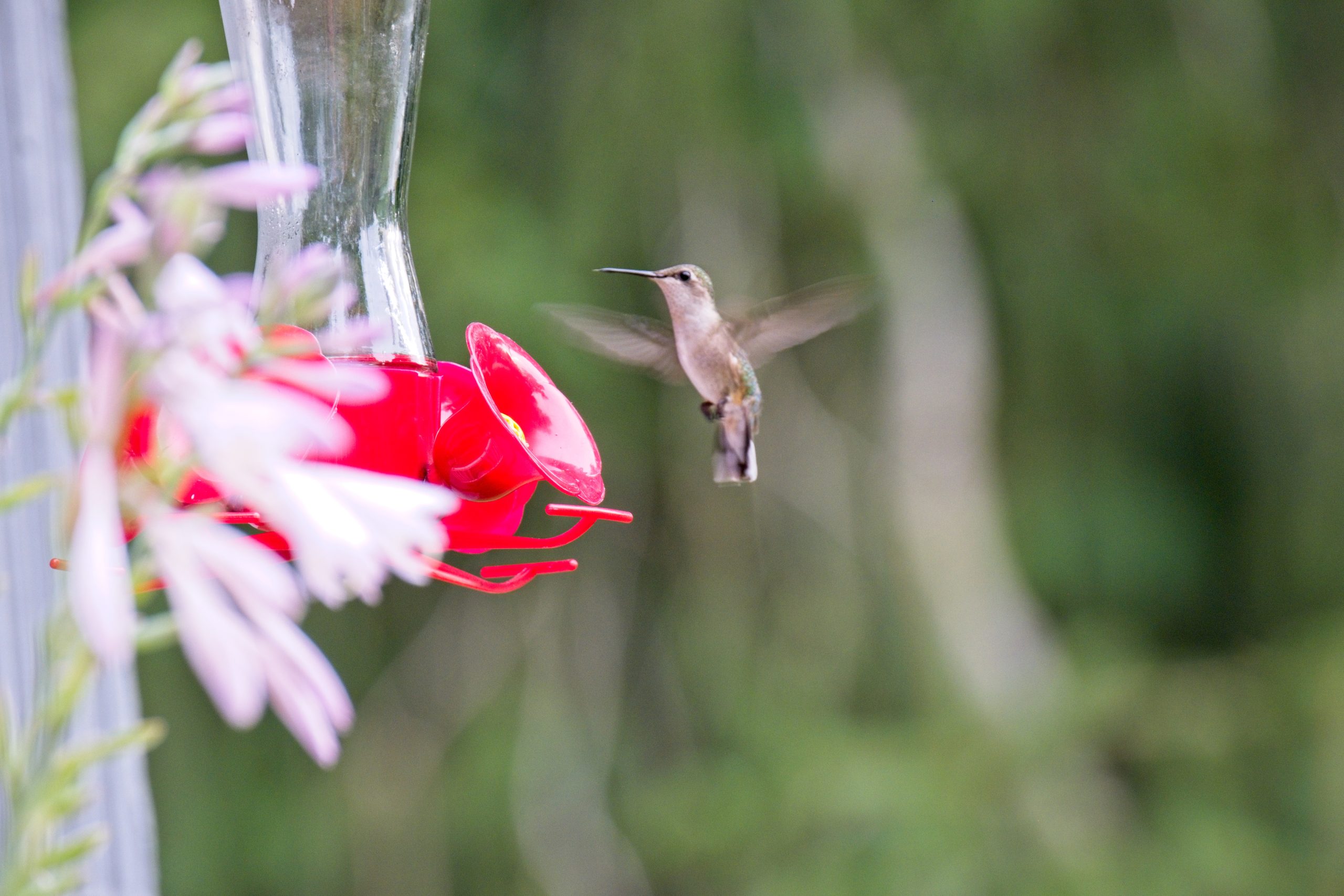
The ability for these birds to be able to hover in flight was a huge advantage. It allowed them to feed on the many flowers without having to perch on a branch. They also are one of the only birds that can fly backwards, upside down and rotate on the spot. This comes at a huge energy cost for the hummingbirds. Their wings can beat as much as 80 times a second, and they have one of the highest oxygen demands of all vertebrates. Keeping enough oxygen to the flight muscles is crucial. When they are perched, their heart beats about 400 times per minute, but in flight, it increases to almost 1200 beats per minute. The heart even expands at this time to pump enough oxygen rich blood from the lungs to the muscles. When not feeding, they must rest to conserve energy.
Hummingbirds must feed roughly every fifteen minutes. Starvation is always a problem. They must eat their body weight in nectar every day. What is really interesting is how they survive at night, when not feeding. It’s a challenge for them to stay alive until morning when they can feed again. They actually go into a type of hibernation at night. Their body temperature drops considerably and their heartrate drops from 400 beats per minute to 40. While in this state, they cannot move. This makes them susceptible to predators. when morning comes, they start to shiver and warm up. It could take up to a half hour before they are back to normal. Then they must find food as quickly as possible.
This demand for food makes them very protective of their flowers and feeders. They often spend their time chasing away other hummingbirds to defend their flowers and feeders. I often have several hummingbirds around my feeder, but rarely more than one at a time actually feeding. They may tolerate another for a while, then chase each other around. They are fun to watch, and are quite friendly with people. If I’m outside wearing a bright orange or red shirt, sometimes they will fly up to me and say hi!
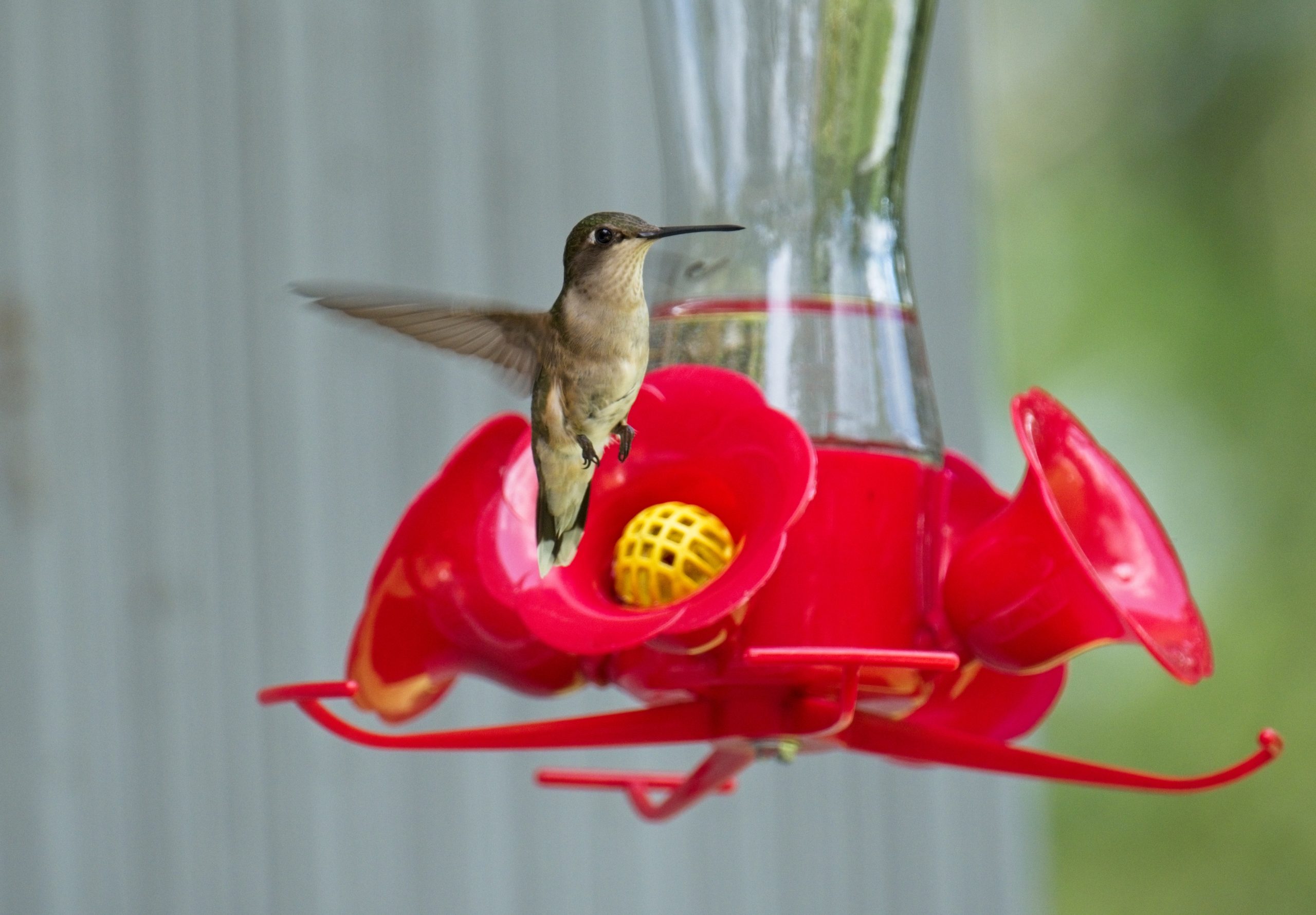
Their feeders are specialized as they do not eat seed. They are made to hold the sugar-water mixture. They are available in many different shapes and styles. The one thing that we need to be aware of, is that this mixture also attracts ants. So look for feeders that have “ant moats”. These are little areas that hold water that the ants can not cross. Also, make sure that the feeders have “bee guards”. Not allowing bees to enter into the feeders is important because if the hummingbirds get stung by the bees, it could be fatal to them. There is no need to buy the red dyed powder mixture to put in the feeders, as the dye is not necessary, and probably not the best for them to drink. Just a mixture of four parts water to one part sugar is perfect and easy to make. Just boil the water first so it is safe. Hang as many feeders as you like. But remember they love flowers too.
A variety of flowers that provide a long blooming season is best. Some of their favorites are cardinal flower, zinnia, salvia, bee balm, phlox, delphinium, columbine, crocosmia, coral bells, fuchsia, and penstemon. Some vines that are great are honeysuckle, trumpet vine, and scarlet runner beans. Other plants they love are lantana, butterfly bush, rhododendrons and rose-of-sharon.
As the middle of September approaches, the hummingbirds start to disappear. They are heading back south to Mexico for the winter. They gather in the thousands along the gulf coast. Alabama, Mississippi, Louisiana and Texas see huge numbers of these ruby throated hummingbirds. Many people there know that they’re coming, and set out lots of feeders. They even have hummingbird festivals. The birds must eat as much as they can for the next part of their journey. They must fly over the Gulf Of Mexico to the Yucatan Peninsula where they will spend their winter. There are so many of them that they can actually be tracked on doppler radar crossing over the Gulf! I can’t imagine how these tiny little birds fly from the northeastern United States, cross the Gulf Of Mexico and fly to Cancun! They are simply amazing!