All About Butterfly And Hummingbird Gardens
Many different kinds of plants including shrubs, perennials and annuals offer attractive flowers for all these beneficial pollinators. In our area, the northeastern part of the United States, the summer months from late May into September are the prime times to attract these important pollinators. Every plant has a specific time of the year that it flowers. So it is important when planning and designing your garden, that you choose plants that will produce a constant variety of flowers all summer long. As some plants finish their flowering time, others will begin flowering. This will ensure a continuous bloom of many different flowers all summer long.
Adding a garden in your yard or near your pond to attract pollinators is always a great idea. Not only does it look great with all the different flowers, but it greatly helps to enhance the natural environment in your backyard. There are a wide variety of plants available that can be used to attract many different types of butterflies, bees and hummingbirds. Not only do we attract these important pollinators, we are also providing a great habitat for all other types of wildlife that may visit or call your yard home.
When designing a pollinator garden, I try to mix a few taller woody shrubs and a wide variety of perennials, with an assortment of heights and flower colors, with a few annuals for that extra burst of color. Usually it is a good idea to place your larger plants in the background, and work your way forward with the smaller plants in the front. Be creative with the appearance of the plants, mixing up the “textures” and shapes of the leaves to give the garden a more interesting visual appeal. Having all the same plants also limits the variety of pollinators that will be attracted to the garden.
Another important tip when planting your plants is to give them enough room to grow. Spacing helps the plants to grow better, and without overcrowding each other. We want the garden to look full, but not an overgrown mess. With that in mind, understand that all plants grow bigger each year, and shrubs may need to be trimmed yearly, and perennials may need to be cut back or divided as well. Do your best to learn about the growth habits of the plants that you purchase so that you can plan to provide enough space for them to grow properly. Everything will grow bigger in time, so plan on so yearly maintenance.
Bees are very important to our environment. They are the leading pollinators for all of our food crops, and their numbers are declining. Providing flowers for them all season long (spring, summer and fall) is a great idea. These bees are interested in your flowers. If they are around your patios, pond or other places where people spend a lot of time, they will not bother you. They are of no threat to you unless you provoke them. All they are interested in is your flowers.
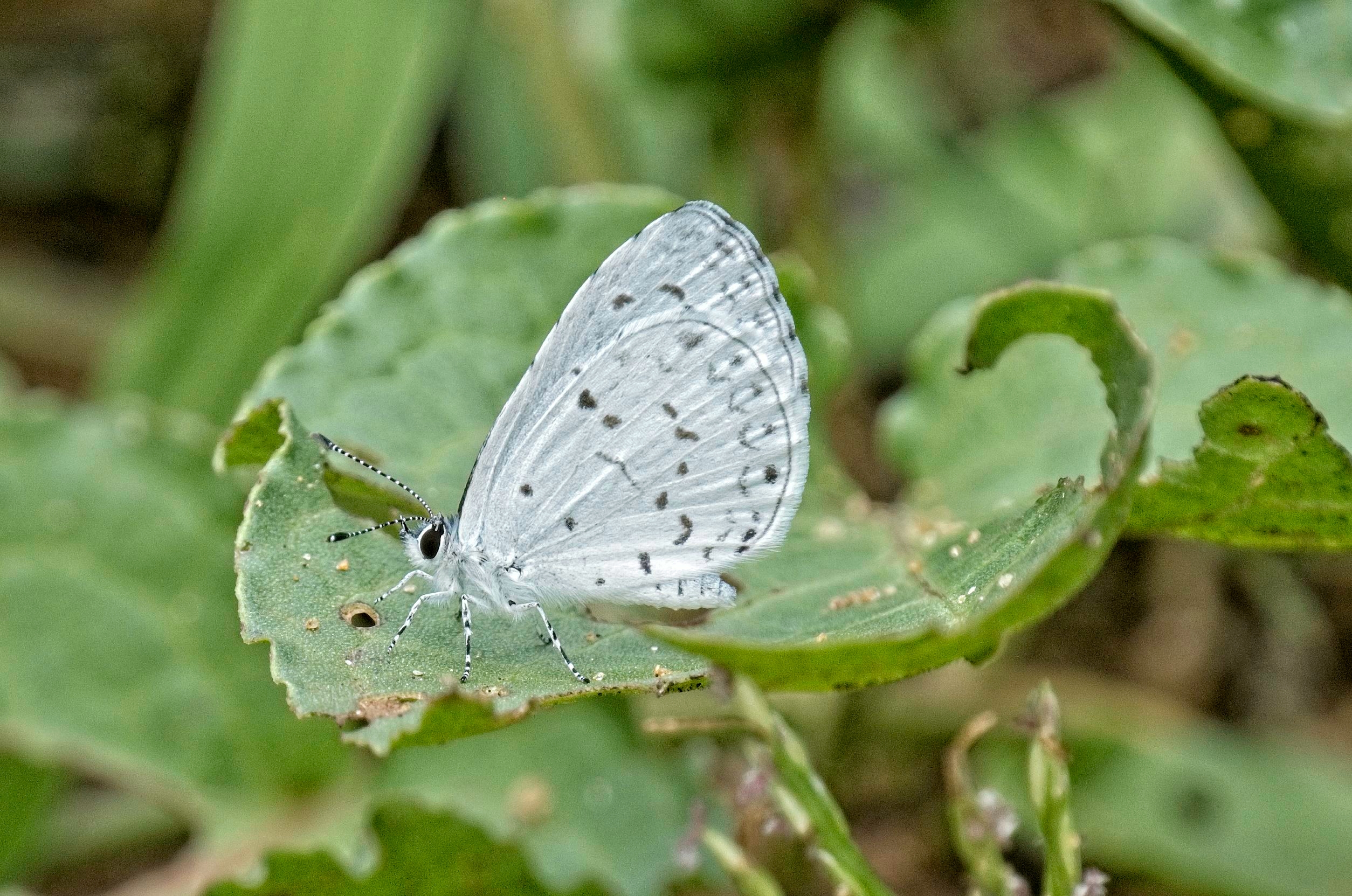
If you spend some time observing the garden, you will see a large variety of butterflies throughout the summer. Their beautiful colors and patterns on their wings are amazing.
Hummingbirds are awesome to watch, as they zip around from flower to flower. They are very territorial however, and will often chase away other hummingbirds that come around especially at a feeder. However, many hummingbirds can end up sharing your garden and feeders at the same time. They seem to play a game chasing each other around all day. They are attracted to many different flowers, but love coming to a feeder. It’s a good idea to have both options available for them. They seem to be especially attracted to bright red and orange. Blue and purple flowers are also favorites for them.
Providing a feeder is easy. They love a sugar and water mixture. One cup of water with 1/4 cup of sugar. A 4 to 1 Mixture. Stir the mixture until all the sugar is dissolved. Hang the feeder in the garden, close to a patio or by the house so that you can enjoy watching them. They are willing to come pretty close to you as long as you don’t startle them by moving around too quickly. They are definitely a main attraction around your yard.
Some Common Plants For A Pollinator Garden
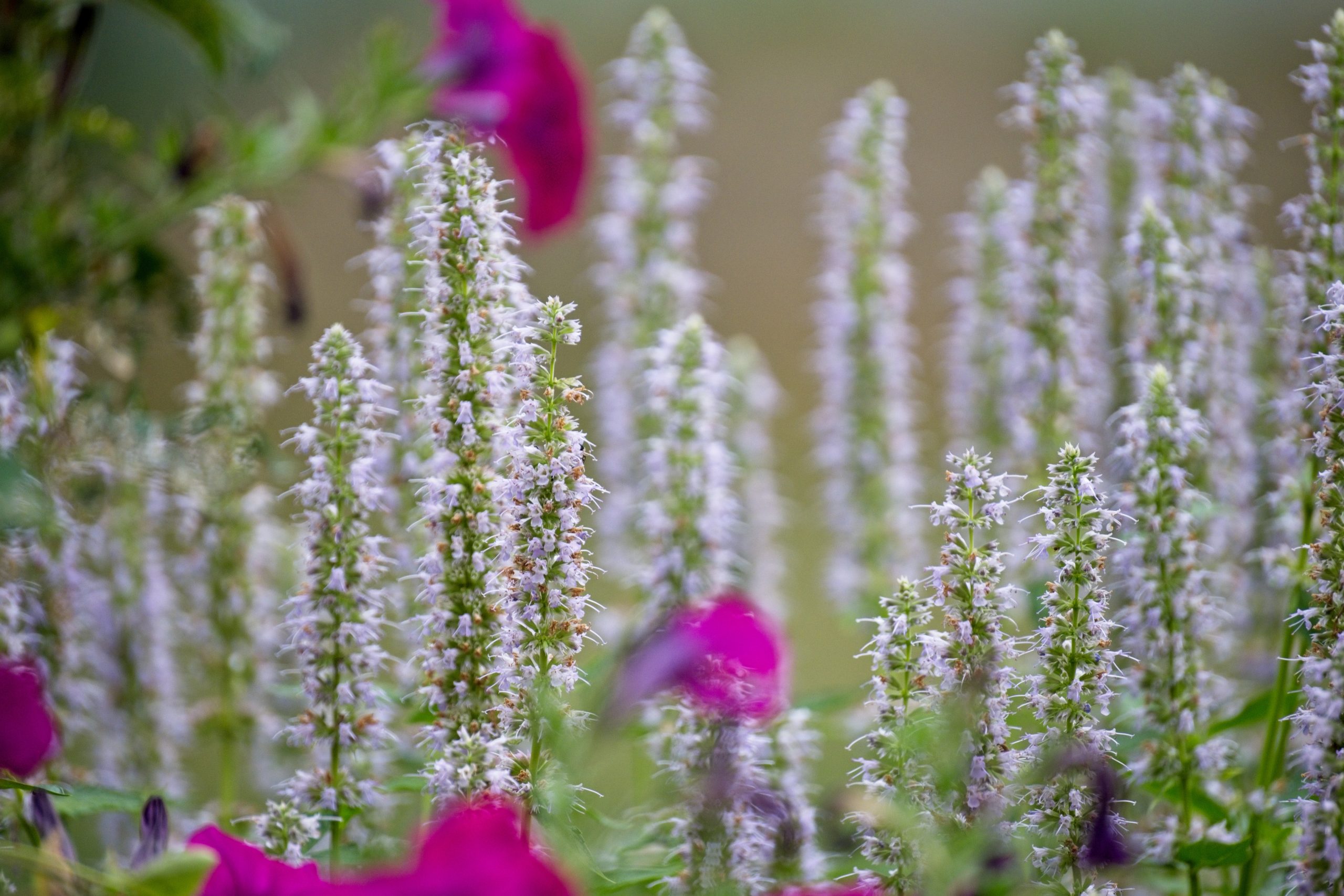
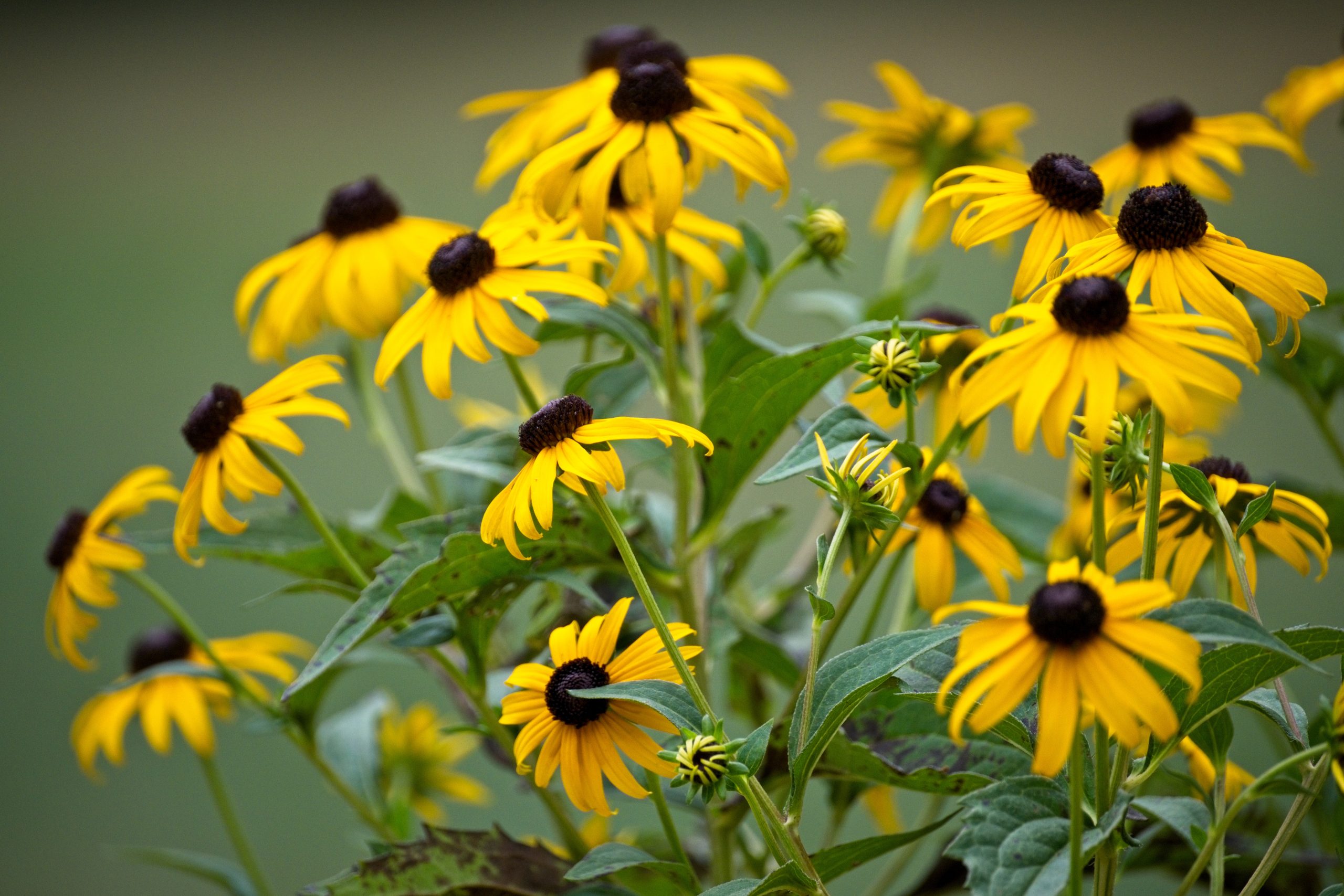
Plants on the left in no particular order: Hardy Lilies, Crocosmia, Giant Hyssop, Annual Salvia, Bee Balm, Petunias, Hardy Sage, Joe-Pye Weed, Cardinal Flower, Honeysuckle, Thistle, Black-Eyed Susan, & Yarrow
Plants For Butterflies
Shrubs- Butterfly Bush, Summersweet, Fothergilla, Virginia sweetspire, Spirea, Blueberry, Viburnum, Caryopteris.
Flowers- Yarrow, Giant Hyssop, Amsonia, Goats Beard, Milkweed, Aster, Astilbe, False Indigo, Calamint, Bell Flower, Corn Flower, Tickseed, Delphinium, Echinacea, Blanket Flower, Gaura, Cranesbill, Baby’s Breath, Sunflower, Hibiscus, Iris, Kniphofia, Shasta Daisy, Liatris, Hardy Lilies, Cardinal Flower, Bee Balm, Catmint, Evening Primrose, Penstemon, Russian Sage, Phlox, Obedient Plant, Ballon Flower, Potentilla, Mexican Hat Flower, Black Eyed Susan, Hardy Sage, Sedum, Goldenrod, Lambs Ear, Stokesia, Germander, Verbena, Veronica, Lantana, Honeysuckle, Wisteria, Zinnia, Lavender.
Plants For Hummingbirds
Cardinal Flower, Trumpet Vine, Scarlet Runner Beans, Columbine, Petunias, Penstemon, Fuchsia, Butterfly Bush, Blue Lupine, Zinnia, Hollyhock, Foxglove, Weigelia, Bee Balm, Phlox, Red Columbine, Delphinium, Crocosmia, Salvia, Heuchera, Petunias, Annual Salvia, Bleeding Heart.