Landscaping Tips And Advice

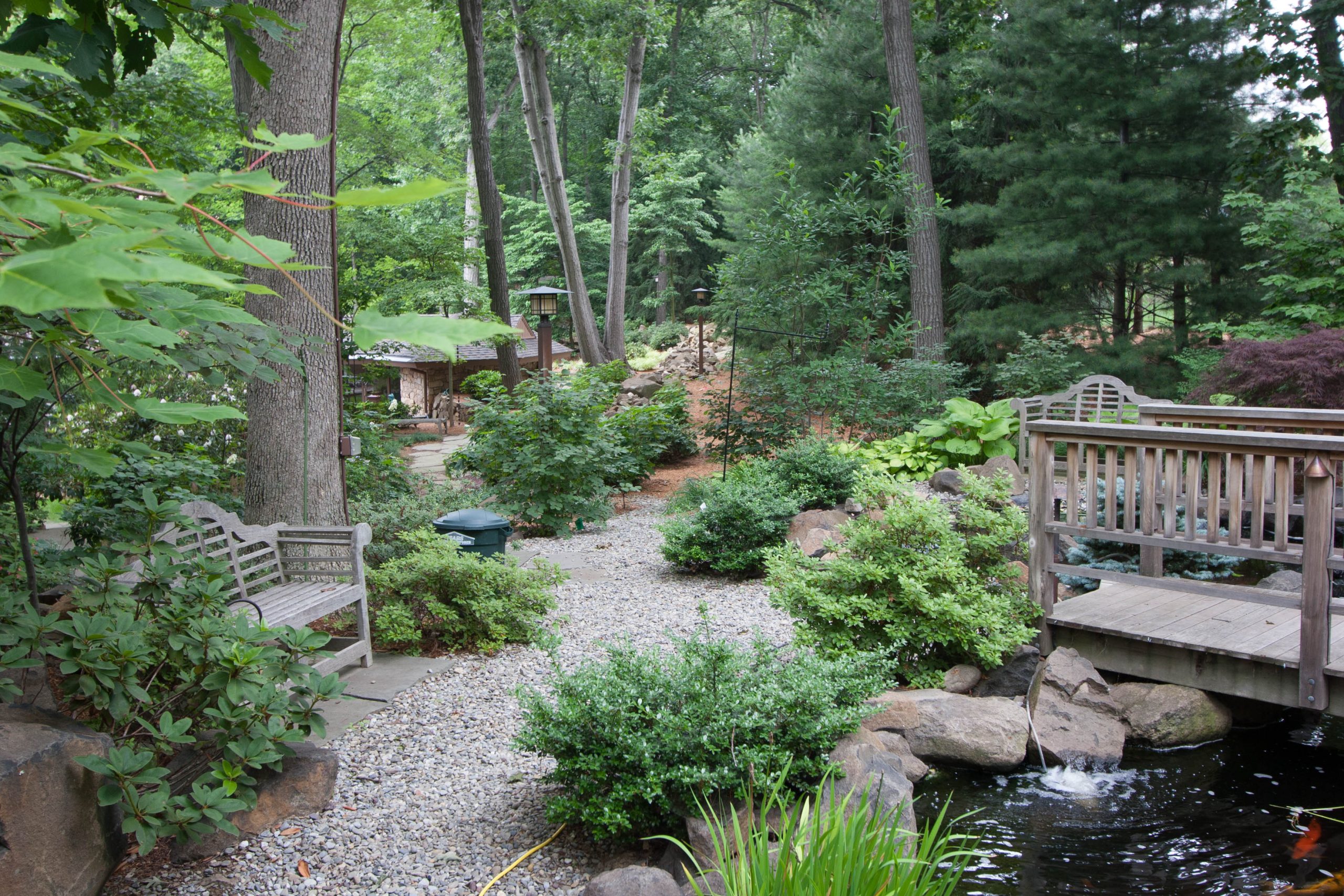
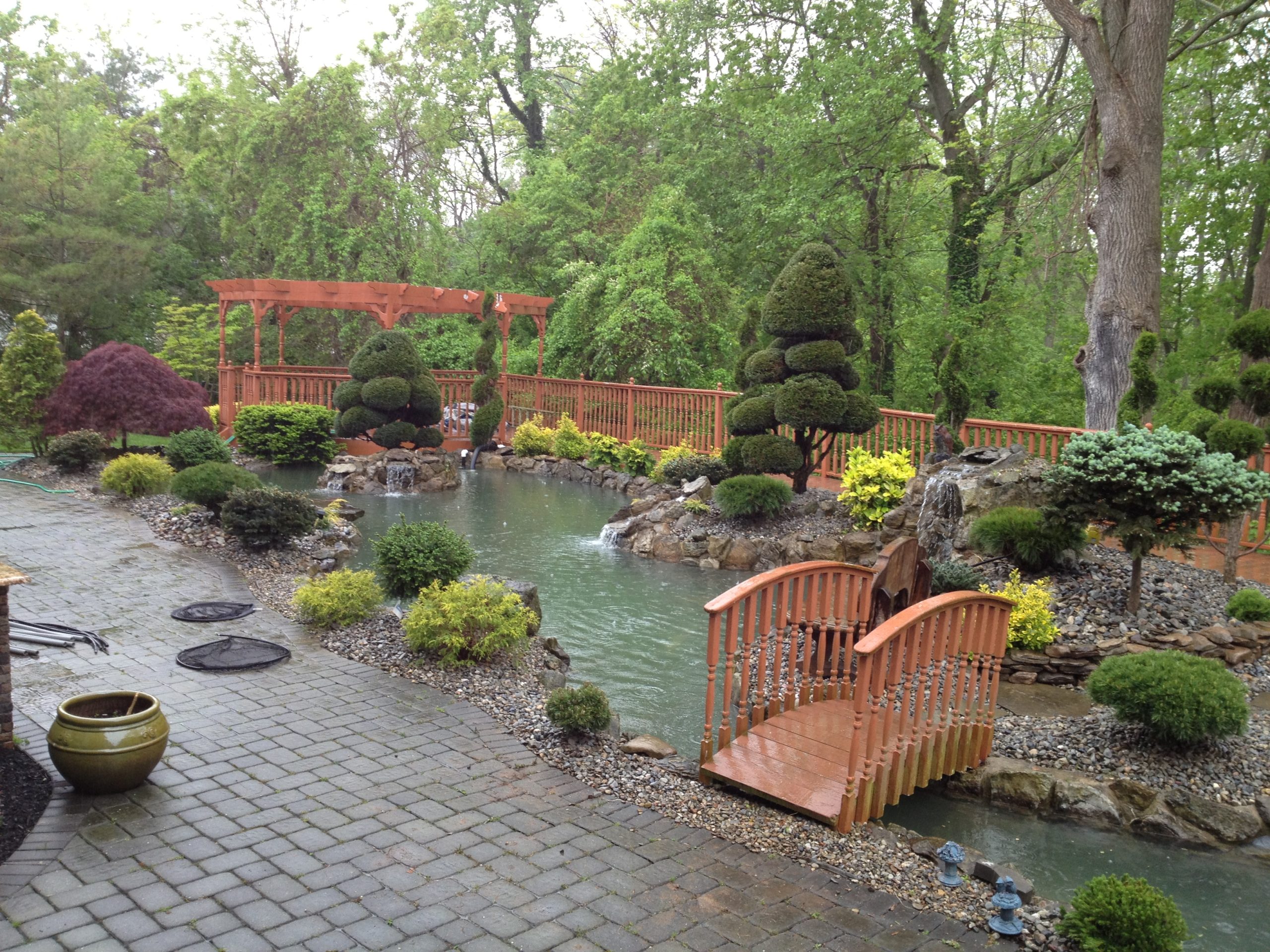
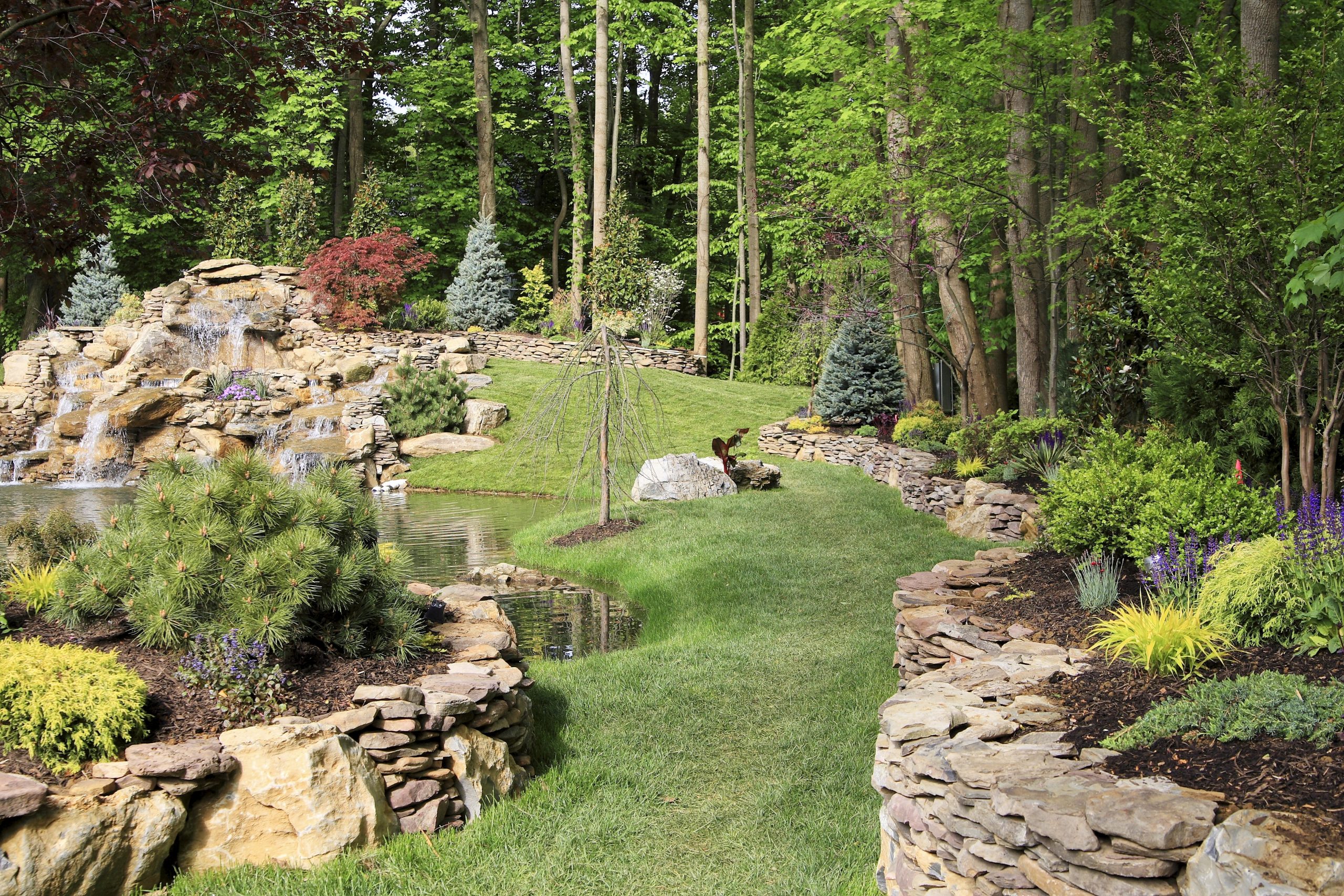
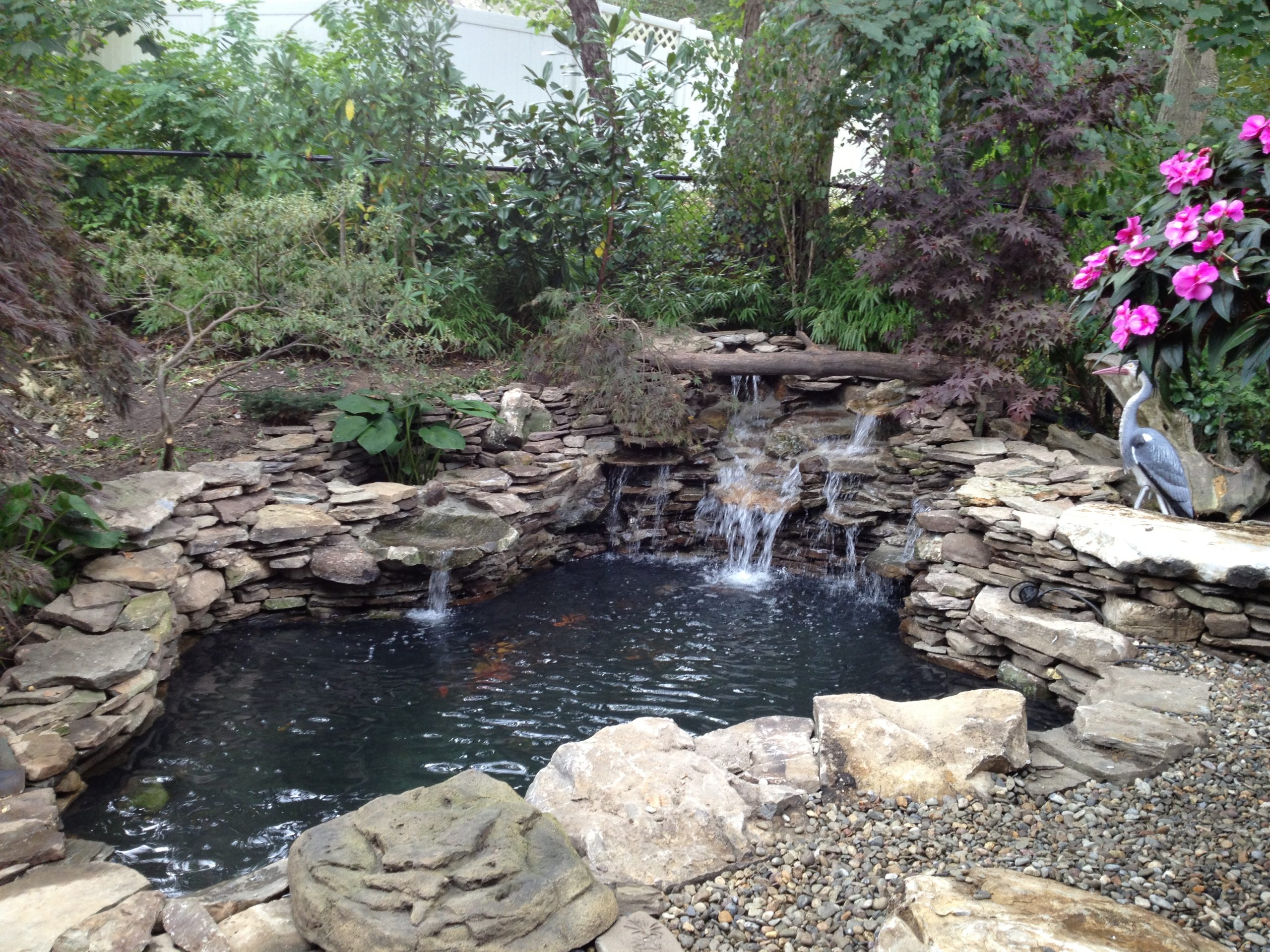
There are so many things to think about when it comes to landscaping around your pond. First, we need an overall plan for what we are looking to create overall. Is the pond a formal design, or a natural free form shape? What about hardscapes? Are we going to have a patio area, a bridge, a gazebo? All things to plan ahead for.
Once we have a good idea of the overall design of the pond, we can start construction. As we dig the hole, we will have lots of extra dirt that we will need to use one way or another. It can be used to support a waterfall, or raise a stream bed. Maybe even build a planting berm, with a rock retaining wall. Many options to think about. After the pond is completed, and hardscapes in place, we can then start to install our plantings and complete our vision.
– Choose your plants wisely. Don’t stuff too many plants in a small space. Give them room to grow. Know how big the plants grow, don’t plant something that grows 50 feet tall 5 feet from the pond. Always remember that the plants will grow, give them space.
– I prefer using mulch over stone, as it’s better for the plants. Mulch helps to hold in moisture. If using rock and gravel around your plants, keep in mind that the gravel can heat up in the hot sun, and dry out the soil and roots of the plants quickly. Dark colored gravel can get very hot in the sun!
– A high quality landscape fabric under gravel can be helpful to block weeds from growing. But sometimes not as good under much, as the weeds can just grow in the mulch itself. Also, mulch can easily slide off the fabric if on a hill in a heavy rain.
– Many perennials will come back each year bigger and bigger. Be ready to cut them back or divide them to keep them under control.
— Sod is a great option for an instant lawn. When preparing for sod, rake out the soil evenly, removing debris, apply some pelletized lime, and a general fertilizer like a 5-10-5, or a 10-6-4. Then roll out your sod staggering the pieces like bricks. And remember, the green side always faces up!